Your body already knows how to heal. PRP therapy just gives it a concentrated head start.
Platelet-Rich Plasma (PRP) therapy uses your own platelets, and the growth factors they carry, to treat musculoskeletal injuries, tendonitis, and osteoarthritis, along with the pain that comes with them. Once concentrated and delivered directly to damaged tissue, those growth factors signal your body to produce collagen and repair, strengthen, and regenerate the muscles, tendons, and cartilage involved.
That’s also why PRP has become one of the most recognizable names in regenerative medicine. Most patients arrive already knowing roughly what it does. What they actually want answered is narrower: will it work for what I have, and what determines whether it does.
Those are the right questions to ask. The honest answer has less to do with how PRP is marketed and more to do with how it behaves once it’s actually in the body. Concentration, placement, and diagnosis all matter more than most people expect, and each one is worth understanding before you decide anything.
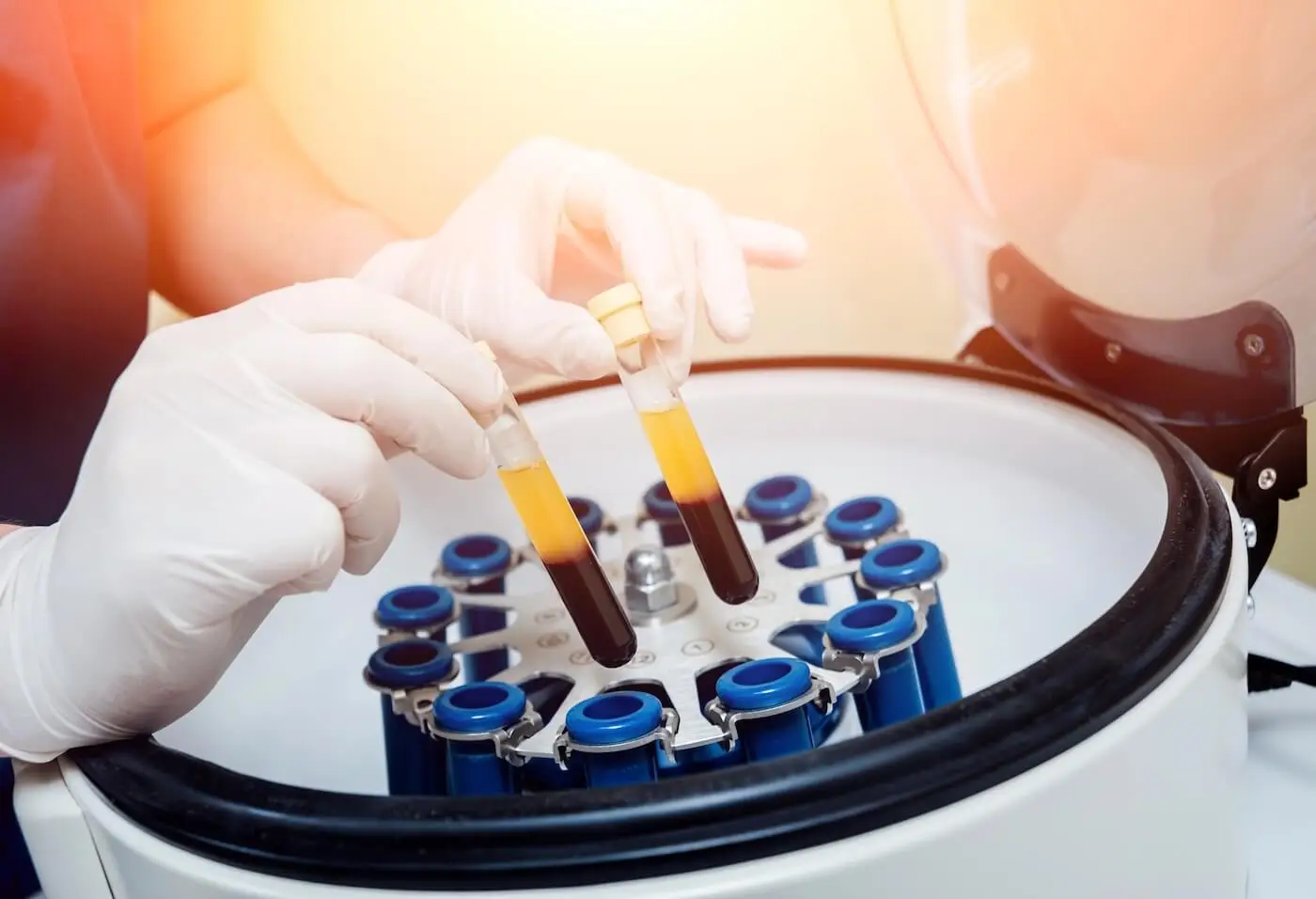
The process starts with a blood draw, similar to routine bloodwork. That sample is spun in a centrifuge, which separates the platelet-rich layer from the rest of the blood. What results is a concentration of platelets many times greater than what circulates naturally, carrying growth factors that direct your body’s repair machinery to the site of the injury.
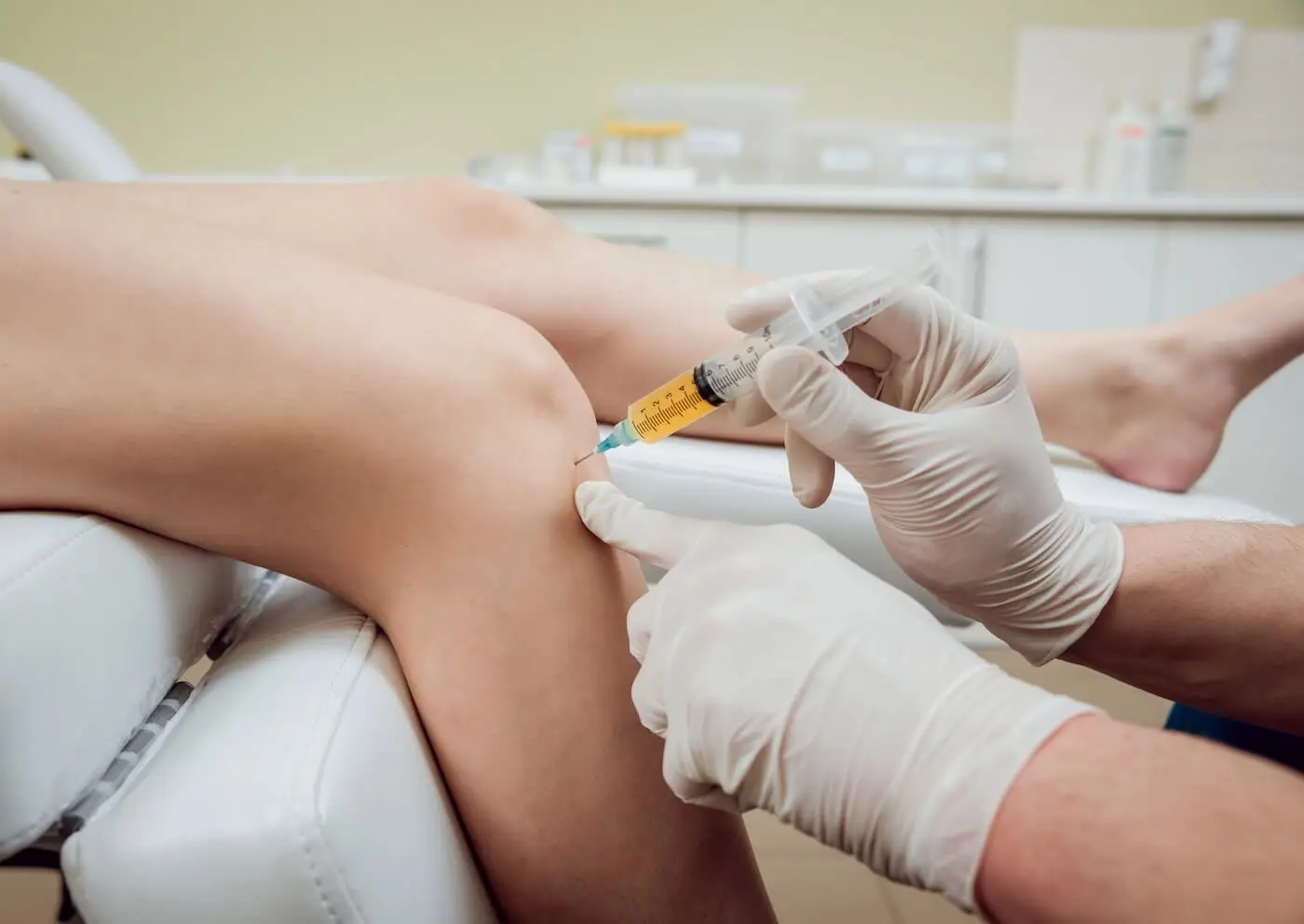
That concentrated solution is then injected directly into the damaged tendon, ligament, or joint. The injection itself is the delivery mechanism, not the whole treatment. What actually repairs the tissue is your body’s own healing response, triggered and accelerated by the platelet concentration placed exactly where it is needed.
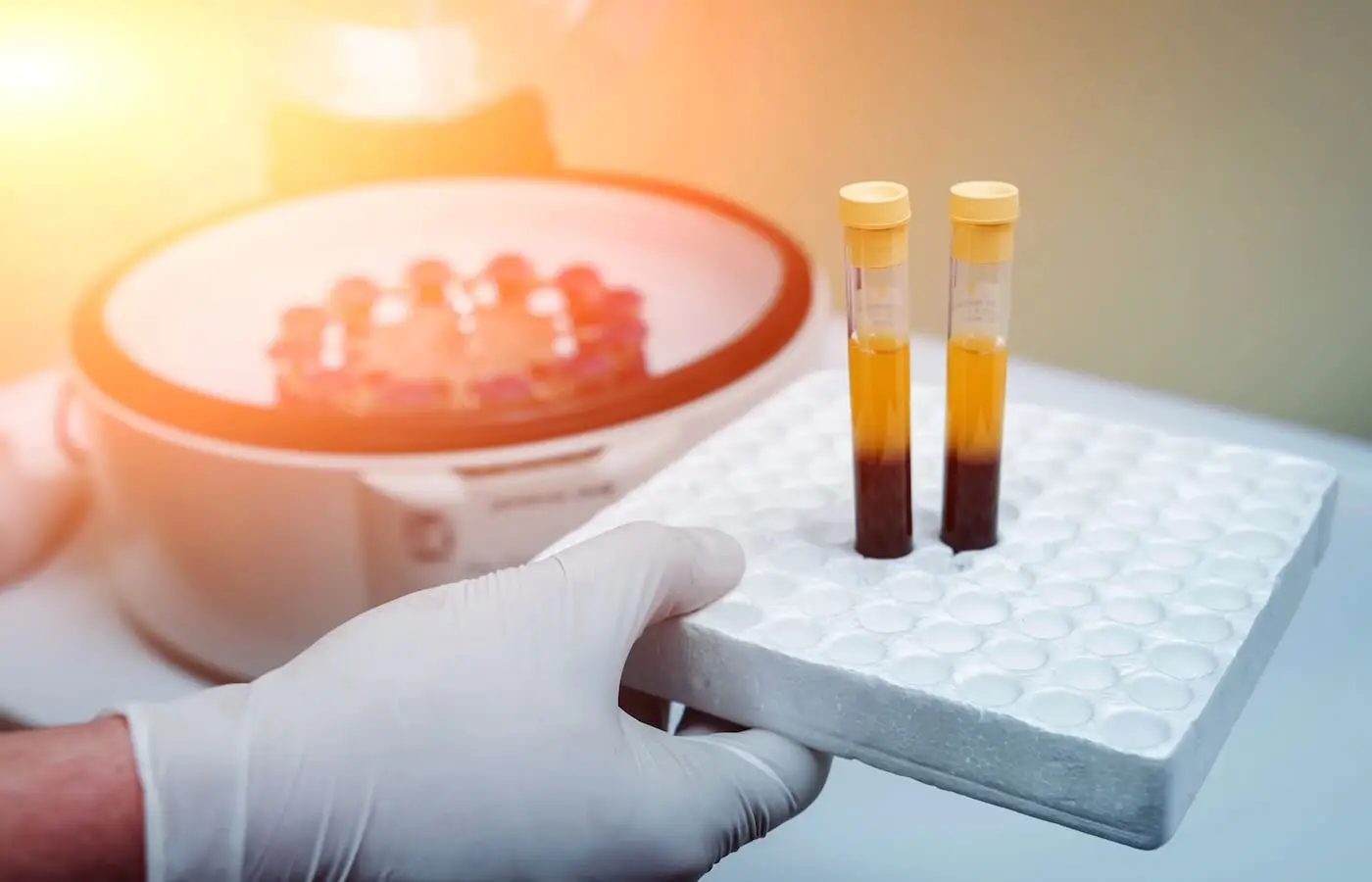
A PRP injection contains a concentrated dose of your own platelets, typically several times more concentrated than what is naturally present in blood, suspended in a small volume of your own plasma. Platelets release growth factors including PDGF, TGF-beta, and VEGF, which recruit repair cells to the injury site and accelerate tissue healing. There is no foreign material involved. Everything injected came from you.
Growth factor delivery is dose-dependent. A properly processed sample concentrates platelets to several times their natural level in blood. How consistently that concentration is achieved, which depends on the equipment and processing protocol used, directly affects how much regenerative signal actually reaches the tissue.
The injection has to land precisely inside the damaged structure to do its job. This is one of the more counterintuitive parts of the procedure for most patients: an injection can be technically well performed and still underperform if it is placed a few millimeters from where the damage actually is. Ultrasound guidance allows the physician to confirm the needle is exactly where it needs to be before the injection is delivered, rather than relying on anatomical landmarks alone.
PRP works by accelerating repair in tissue that is damaged but still viable. If the underlying diagnosis is incomplete, meaning the true source of pain has not been correctly identified, the treatment can be delivered flawlessly and still fail to address the actual problem. This is why an evaluation that maps pain to a specific anatomical structure matters as much as the injection technique itself.
Not every injury responds to PRP the same way. Mild to moderate degeneration with viable tissue tends to respond well. Complete ruptures, end-stage degeneration, or damage that is fundamentally structural rather than cellular typically do not, regardless of how well the injection itself is performed. Matching the treatment to what the tissue can actually do is a clinical judgment, not a formality.
At Ethos, each of these variables is treated as a clinical decision point rather than a default. Concentration is processed to a consistent standard. Placement is ultrasound-guided on every injection. Diagnosis precedes treatment through your evaluation. And candidacy, meaning whether your specific tissue is a good fit for PRP at all, is assessed individually before any injection is scheduled. Results, when they happen, tend to reflect how carefully each of these steps was handled.
PRP is not a single, standardized outcome. It is a biological process with several variables that each meaningfully affect the result, which is part of why two people can describe very different experiences with what is technically the same treatment. Understanding those variables is useful regardless of where you ultimately decide to be treated.
Growth factor delivery is dose-dependent. A properly processed sample concentrates platelets to several times their natural level in blood. How consistently that concentration is achieved, which depends on the equipment and processing protocol used, directly affects how much regenerative signal actually reaches the tissue.
The injection has to land precisely inside the damaged structure to do its job. This is one of the more counterintuitive parts of the procedure for most patients: an injection can be technically well performed and still underperform if it is placed a few millimeters from where the damage actually is. Ultrasound guidance allows the physician to confirm the needle is exactly where it needs to be before the injection is delivered, rather than relying on anatomical landmarks alone.
PRP works by accelerating repair in tissue that is damaged but still viable. If the underlying diagnosis is incomplete, meaning the true source of pain has not been correctly identified, the treatment can be delivered flawlessly and still fail to address the actual problem. This is why an evaluation that maps pain to a specific anatomical structure matters as much as the injection technique itself.
Not every injury responds to PRP the same way. Mild to moderate degeneration with viable tissue tends to respond well. Complete ruptures, end-stage degeneration, or damage that is fundamentally structural rather than cellular typically do not, regardless of how well the injection itself is performed. Matching the treatment to what the tissue can actually do is a clinical judgment, not a formality.
At Ethos, each of these variables is treated as a clinical decision point rather than a default. Concentration is processed to a consistent standard. Placement is ultrasound-guided on every injection. Diagnosis precedes treatment through your evaluation. And candidacy, meaning whether your specific tissue is a good fit for PRP at all, is assessed individually before any injection is scheduled. Results, when they happen, tend to reflect how carefully each of these steps was handled.

PRP has the strongest evidence base of any regenerative injection we offer, and that evidence is concentrated in a specific set of joints and tissue types. Our physicians determine candidacy individually. A condition being listed here is not the same as PRP being automatically right for your case.

Knee osteoarthritis and ligament injuries represent PRP’s single strongest area of evidence. For patients with mild to moderate cartilage wear, or ligament irritation that has plateaued under rest and physical therapy, PRP is frequently the first regenerative treatment we consider before anything more involved.

Rotator cuff tendinopathy responds well to PRP in patients whose tear is partial rather than complete. This is a population conventional orthopedics often struggles to serve well, not severe enough to warrant surgery in most surgeons’ view, but not resolving with physical therapy alone either. That middle ground is where PRP tends to make the clearest difference.

Tennis elbow and golfer’s elbow, clinically lateral and medial epicondylitis, are among the most extensively studied applications of PRP in the orthopedic literature. Patients who have plateaued on bracing, physical therapy, and cortisone are frequently strong candidates.

Hip osteoarthritis and tendinopathy around the hip joint, often involving the gluteal or iliopsoas tendons, are common presentations in the active adults we see across Scottsdale. PRP is typically considered here as part of a broader plan alongside targeted physical therapy.

Plantar fasciitis and Achilles tendinopathy are two of the more stubborn conditions in sports medicine, frequently resistant to rest, stretching protocols, and cortisone. PRP has meaningful evidence in both, particularly for patients trying to stay active rather than modify their entire routine around the injury.
Before Your Appointment
Nothing is scheduled off a phone call. Your evaluation for the joint or region involved comes first, giving your physician a real look at the tissue before any treatment decision is made. If you leave that evaluation without real clarity about your options, our Leave You Better Promise means the visit is refunded in full.
During the Injection Appointment
Ultrasound guidance is used to confirm exact placement before the injection is delivered, the same standard described above. The appointment itself moves quickly. Plan for a short visit, and expect to be able to drive yourself home once it’s finished.
After Treatment
Most patients complete one to three PRP sessions, depending on the tissue and severity involved. Mild soreness at the injection site for a day or two is common and reflects the healing response beginning, not a complication. Your physician sets a specific recovery and return-to-activity timeline based on the joint involved and what you are actually trying to get back to.
If you have already tried rest, physical therapy, or cortisone and are researching PRP as your next step, an evaluation is the fastest way to find out whether it is the right fit for your specific injury. Book a Discovery Call.
PRP is one option inside a larger decision, and it helps to see where it actually sits relative to the alternatives most patients have already considered before they call us.
| Factor | PRP | Prolotherapy | Cortisone | Surgery |
| Mechanism | Concentrated platelets accelerate healing | Stimulates repair in ligaments and tendons | Reduces inflammation for a period of time | Structural repair or replacement |
| Invasiveness | Low (injection) | Low (injection) | Low (injection) | High |
| Typical sessions | 1 to 3 | 3 to 6 | As needed | One time, plus rehab |
| Addresses root cause | Yes | Yes | No, masks symptoms | Yes |
PRP and prolotherapy are not competing treatments. They work on different tissue through different mechanisms, and many patients at Ethos receive both, sequenced according to what their evaluation shows. Which one comes first, or whether you need both, is a physician decision, not a menu selection.
A PRP injection is, on its own, a fairly simple procedure. Draw blood, concentrate it, inject it. What actually determines whether it works is everything built around that injection: the diagnosis that precedes it, the precision of the placement, and the plan that follows it. That is where we put our attention.
Every injection is image-guided. We use ultrasound to confirm exact placement at the site of tissue damage before delivering the injection. Precise placement is what allows the treatment to reach the structure it is meant to help.
Every injection is physician-administered. Your physician performs the injection directly, informed by your imaging and your specific diagnosis, not a standing protocol applied the same way to every patient.
PRP is one part of a broader regenerative program. Your evaluation determines whether PRP, prolotherapy, bone marrow concentrate, or some combination fits your tissue. The treatment follows the diagnosis.
Outcomes are tracked, not assumed. Through Databiologics, our outcomes tracking system, we benchmark our regenerative orthopedic results against other leading practices nationally, so what we tell you is grounded in real data.
Clarity is part of the commitment. Our Leave You Better Promise means that if you do not leave your evaluation with real answers, the visit is refunded. We would rather stand behind the value of that conversation than ask you to take it on faith.
[Note: this section and “What Actually Determines Whether PRP Works” above both cover ultrasound guidance and diagnosis-before-treatment. Each adds something distinct, this section is a confident summary/promise, the earlier section is the explanation, but worth a look at whether one can be trimmed once seen printed back-to-back on the live page.]
“I am an avid runner and cyclist. I had torn my labrum in my hip back in 2019, which had caused increased stress into my knee and subsequent pain in both joints. Dr. Hernandez was comprehensive and thorough with his examination and determined that not only did my labral tear not heal, but this had resulted in irritation to my meniscus as well.
He performed two PRP injections into both my knee and hip, which, augmented with physical therapy, resulted in full recovery and return to the sports I love. I’m back to riding three to four times a week, and even signed up for a race that my friends talked me into now that I’m back running again.
As a physical therapist myself, I have referred several patients to Ethos for care. I never hesitate to recommend Ethos and all of their doctors to anyone.”
Jessie D. | Physical Therapist & Patient | Scottsdale, AZ
_____________________________
“Dr. Hernandez did PRP treatment for my knee, and I can definitively say it helped my old injury of a torn meniscus and the arthritic pain that resulted from it. I can play pickleball every day and not deal with swelling and stiffness.
Dr. Hernandez listened and carefully evaluated whether I would be a good candidate for it. The procedure was quick, and he used ultrasound to guide it. Then he made sure to follow up on my progress every few weeks. I can’t be happier that I went for it. It was truly a game changer for me.”
Marta B. | Scottsdale, AZ | Verified Patient
A webpage can’t diagnose you. A physician can.
Get a physician’s actual read on your tissue, your imaging, and whether PRP, a different regenerative treatment, or a combination gives you the best shot at getting back to what you want to be doing.
Book Your Discovery Call at ethosscottsdale.com or call 480-389-1371.
Is prolotherapy painful?
It is a fair question, and we would rather answer it directly than downplay it. Most patients describe the injection itself as a brief pressure or pinch, comparable to other joint injections. Some soreness at the injection site for a day or two afterward is common, and it is actually part of the intended response, not a sign that something went wrong.
How many sessions will I need?
Most patients complete three to six sessions, spaced several weeks apart. The honest answer is that it depends on the joint, how long the instability has been present, and how your tissue responds along the way, which is exactly why we map this out individually during your Deep Dive evaluation rather than quoting a number before we have examined you.
Does insurance cover this treatment?
No. Ethos is a private-pay practice, and that is intentional. It means your physician’s recommendations are shaped by your biology and your goals, not by what a billing code will approve.
What is the difference between prolotherapy and PRP?
Prolotherapy uses a dextrose-based solution to trigger your body’s own repair response in a weakened ligament or tendon. PRP concentrates platelets from your own blood to accelerate healing at the injury site. Neither is universally better. The right choice depends on the specific tissue involved, which is precisely what your Deep Dive evaluation is designed to determine.
Which conditions respond best to prolotherapy?
Ligament laxity and chronic tendon injuries generally respond well, including knee and hip instability, tennis and golfer’s elbow, plantar fasciitis, and SI joint or facet joint related back pain. That said, generally is not the same as always, which is why a physician evaluation, not a keyword search, is the only reliable way to know whether it fits your specific case.
How soon can I get back to normal activity?
Many patients resume light activity within a day or two. Beyond that, we will not give you a generic number, because a return-to-golf timeline and a return-to-competitive-tennis timeline are not the same thing. Your physician sets a specific timeline based on your joint, your goals, and how your body actually responds.
Is there research behind prolotherapy?
Yes, and it has been accumulating for decades, particularly for knee osteoarthritis, lateral epicondylitis, and ligament-related chronic low back pain. We would rather walk you through the research relevant to your specific condition during a consultation than summarize it in a paragraph meant to apply to everyone.
Who is not a good candidate for prolotherapy?
Patients with an active infection at the injection site, certain bleeding disorders, or joint damage that is primarily structural rather than ligament or tendon related are typically not good candidates. If that describes your situation, we will tell you directly and recommend the option that actually fits, rather than sell you a treatment that will not work.
Ethos Integrative Medicine proudly serves individuals in Scottsdale, Phoenix, Glendale, Mesa, and beyond.