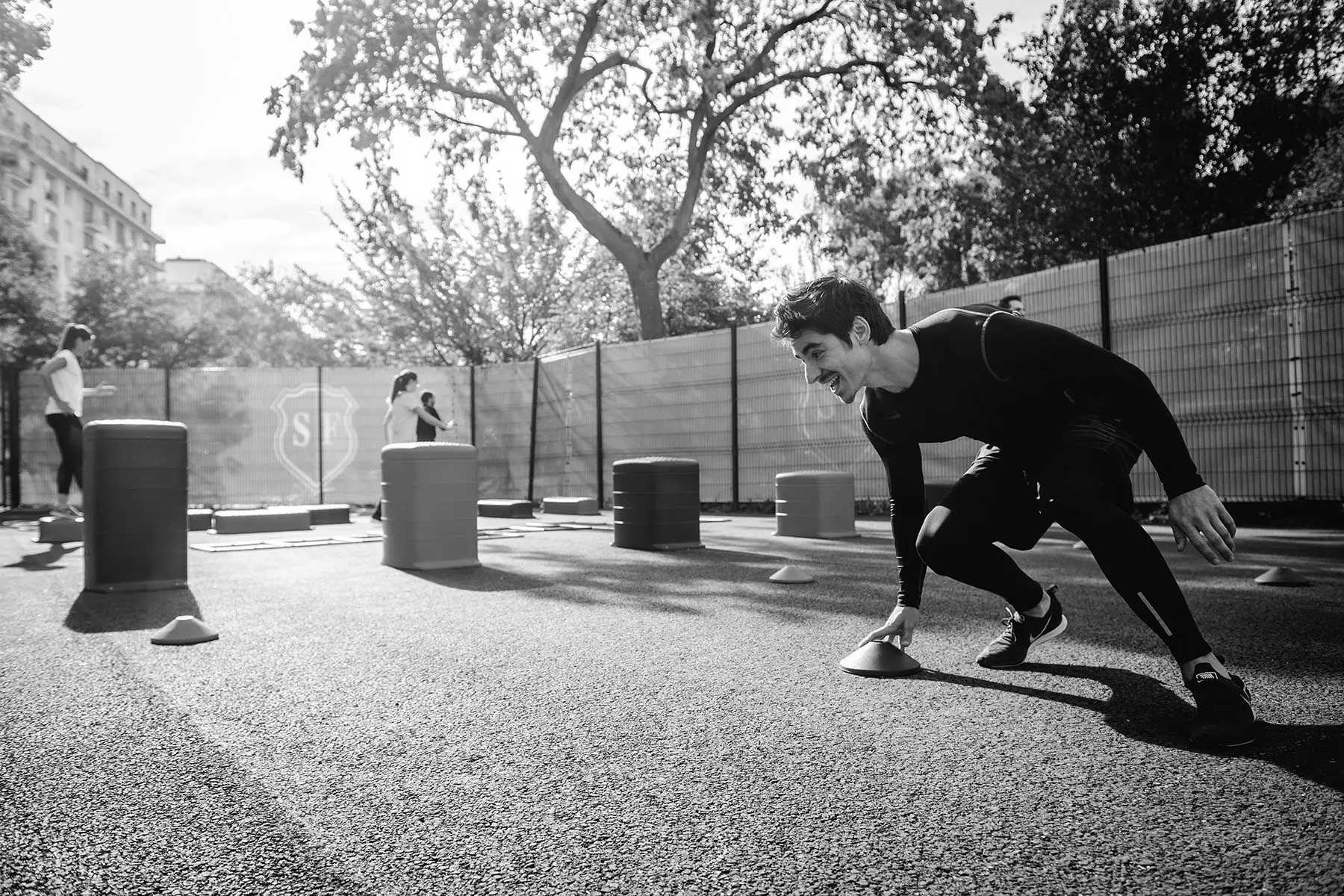
Athlete training in an outdoor gym

Relieve Knee Pain and Reclaim Your Stride

You’ve already tried the standard path: physical therapy, corticosteroid injections, maybe chiropractic care. Relief showed up, then it faded, and you were told the next step was surgery, or that you should simply do less.


Get Started With Us


At Ethos Integrative Medicine in Scottsdale, we take a different view. We’re experts in addressing knee pain caused by tendon, ligament, nerve, and joint injuries, using precise, regenerative orthopedic treatments that target the root of your discomfort rather than managing it indefinitely. Whether pain is disrupting daily tasks or your favorite sport, our approach is built to get you back to full activity, not just a more tolerable version of your current limitations.


Why Your Knee Pain Keeps Coming Back

If you’ve done the physical therapy, taken the injections, and rested like you were told, and the pain still comes back the moment you return to golf, tennis, pickleball, or a hard training block, the problem usually isn’t effort. It’s that the underlying cause was never addressed.

Most recurring knee pain in active adults comes down to a few overlapping issues:

  • Load management breakdown, when the knee is being asked to absorb more force than the surrounding tissue can currently tolerate
  • Quad and hamstring strength loss, often gradual and invisible day to day, until the knee starts compensating
  • Mobility and stability imbalance, where tightness in one area forces instability in another, usually at the hip or ankle
  • Compensation patterns from the hip or ankle, showing up as pain in the knee but originating elsewhere in the kinetic chain

This is also why rest, injections, and generic PT plans tend to produce the same disappointing cycle. Temporary relief, followed by the same pain returning as soon as you’re active again. None of those approaches identify why the knee broke down in the first place. They just quiet the symptom for a while.

Get Started With Your Deep Dive

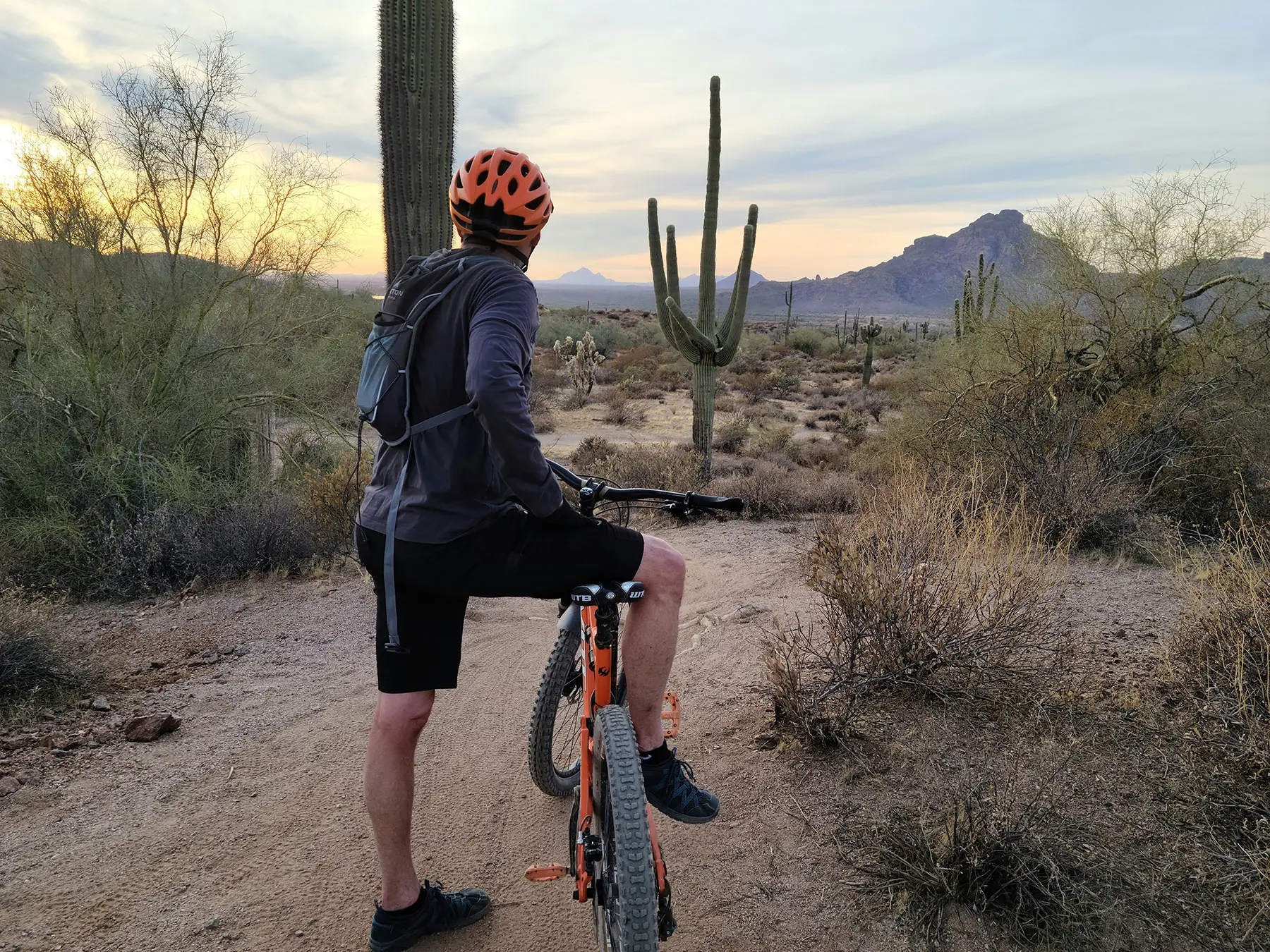
Mountain biker overlooking the Scottsdale desert

Common Knee Conditions We Treat

Meniscus Tears
Signs we commonly see include a catching or locking sensation in the joint, pain that’s worse with twisting or pivoting motions, and swelling that shows up after activity, even mild activity.

Knee Osteoarthritis
Signs we commonly see include morning stiffness that eases as you move, pain with stairs or after prolonged standing, and a gradual narrowing of what you feel comfortable doing.

Patellar Tendinitis and Runner’s Knee
Signs we commonly see include pain localized just below the kneecap, symptoms that worsen with running or jumping, and a pattern of feeling fine until training volume increases.

Ligament Injuries (ACL and MCL Laxity)
Signs we commonly see include a feeling of instability or the knee giving way, pain specifically with pivoting or lateral movement, and hesitation to trust the joint during quick direction changes.

Get Started With Your Deep Dive

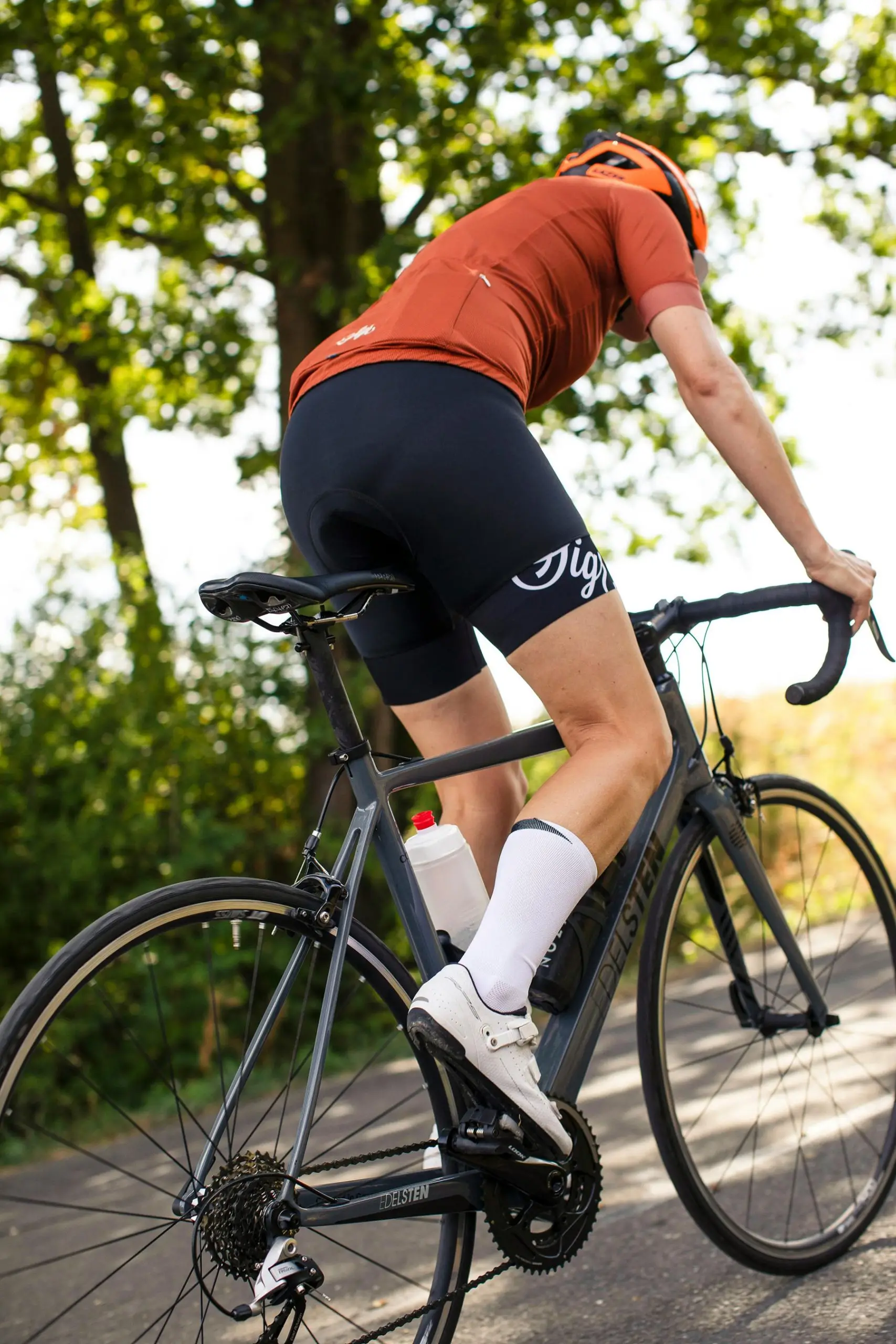
Cyclist riding a bike

Why Rest, PT, or Injections Alone Don’t Fix Chronic Knee Pain

Every one of these approaches has a place, but on their own, they tend to manage symptoms rather than resolve the actual problem.

Rest reduces load temporarily, but does nothing to rebuild the tissue’s capacity to handle that load again.

Physical therapy can improve mechanics, but without addressing the underlying tissue damage, the same breakdown often recurs once training resumes.

Cortisone style injections reduce inflammation and pain in the short term, but they don’t repair anything. They mask the signal your body is sending, which is often why patients feel fine for a few weeks and then find themselves right back where they started.

This is the cycle we see constantly. Temporary symptom reduction, followed by a return to the same limitations, because the structural issue was never actually treated.


How We Assess Knee Pain at Ethos

1.Ethos Pain Profile. Identifying the specific characteristics of your pain is the first step to pinpointing exactly where it’s coming from.

2. 57-Point Knee Inspection. With our 57-Point Knee Inspection, we replicate the movements causing your pain, taking us one step closer to eliminating your discomfort.

3. Precision Knee Scan. Our advanced in-office musculoskeletal ultrasound exam gives a detailed, real-time view of your knee’s structures, providing a more dynamic image than an MRI.

4. Ethos Pain Map. A specialized method to confirm the exact source of pain in your body, helping us create a personalized strategy for long-term relief.

5. Easy-to-Understand Explanation. We skip the complex terms and offer you a direct, honest breakdown of your diagnosis.

6 Leave You Better Promise. If by the end of the visit you don’t have a better understanding of your pain or your options moving forward, we’ll give you a full refund on your visit.


Treatment Approach

Once we’ve identified the true source of your knee pain, treatment is built around your specific findings, not a standard protocol applied to everyone who walks through the door. Depending on what your diagnostics show, this may include:

PRP (Platelet-Rich Plasma) Therapy

PRP concentrates platelets drawn from your own blood and delivers them directly to damaged tissue, signaling it to begin repairing itself. Most patients who come to us after trying cortisone have noticed the same thing: it works, and then it stops working. That’s not impatience, it’s a function of what cortisone actually does. It suppresses inflammation. It doesn’t repair tissue. A 2024 meta-analysis of nearly 3,700 patients found PRP delivered significantly better pain outcomes than corticosteroid at six months, with the gap widening over time, and a separate analysis of almost 2,000 knee osteoarthritis patients confirmed meaningful functional improvement lasting a full year.

Prolotherapy

Prolotherapy uses targeted injections to stimulate the body’s own repair response in ligaments and tendons. A significant portion of chronic knee pain isn’t driven by cartilage damage at all. It’s driven by laxity in the ligaments that are supposed to stabilize the joint. When those structures are loose, the joint moves incorrectly under load, and the pain doesn’t respond to treatments aimed at cartilage because cartilage was never the problem. A 2024 meta-analysis found a substantial pain reduction effect for knee osteoarthritis treated with prolotherapy, among the strongest outcomes reported for any non-surgical option.

Bone Marrow Concentrate (BMC)

For knees with more advanced cartilage loss or complex presentations, BMC brings a richer regenerative environment than platelets alone can provide. It’s not a fallback for patients who didn’t respond to PRP. It’s a distinct clinical tool selected when the injury profile specifically calls for it. A systematic review of more than 4,600 patients found improvement in over 94 percent of outcomes at roughly one year post-treatment.

Microfragmented Adipose Tissue (MFAT)

MFAT uses minimally processed fat tissue with a different biological profile than BMC, selected when your imaging and clinical picture call for that specific profile. It’s often the treatment patients haven’t heard of before coming to us, and the one that surprises them most. A 2025 randomized controlled trial found MFAT produced consistent, statistically significant pain improvement through a full year, well after the effects of corticosteroid had faded.


Frequently Asked Questions

I’ve already tried a cortisone injection and it didn’t last. Why would this be different?

Cortisone reduces inflammation, which is why it feels effective at first, but it doesn’t repair damaged tissue. Regenerative treatments like PRP and prolotherapy work differently. They signal the tissue itself to rebuild, which is why the benefit tends to build over months rather than fade within weeks.

Will this actually get me back to tennis, golf, or running, or just make daily life more comfortable?

Our goal is full return to activity, not just symptom management. Your treatment plan is built around the specific demands you’re placing on your knee, whether that’s a tennis pivot, a golf swing, or mileage on the road, so recovery is measured by what you can do, not just how you feel at rest.

How do you decide between PRP, prolotherapy, BMC, and MFAT for my knee specifically?

The decision comes down to what your diagnostics actually show. Ligament laxity, cartilage loss, and tendon damage each respond differently to these treatments, which is why your Precision Knee Scan and Ethos Pain Map results, not a standard protocol, determine your plan.

I’ve been told I’ll eventually need surgery. Does this just delay the inevitable?

For many patients, no. Regenerative treatments address the structural issues, ligament instability, tissue damage, load imbalance, that are often driving the deterioration in the first place. For the right candidate, this changes the trajectory rather than postponing an outcome that was already fixed.

How many treatments will this take, and when will I notice a difference?

This depends on which treatment and how advanced the underlying damage is, and we’ll walk you through realistic expectations at your evaluation. In general, regenerative treatments build progressively over weeks and months rather than delivering instant relief, which is part of why the results tend to hold.
Get the Results You Deserve. Here’s Our Commitment to YOU.

Live a Pain-Free Life

Reclaim your mobility and embrace life’s opportunities to the fullest! We’ll help you achieve lasting relief from pain, allowing you to pursue your passions with renewed vitality. Say hello to a powerful, energized you.

Get Clarity in Your Health

No more hoops to jump through. No more complex medical terms, No more ineffective treatments. We’ll provide you with a clear, accurate diagnosis and a straightforward path to pain relief and peak performance.

Achieve Peak Performance

With innovative regenerative treatments and our unmatched expertise in addressing orthopedic, metabolic, hormonal, and digestive concerns, we’re dedicated to optimizing your health and performance for the years to come.

Surgery-free, Pill-free, Orthopedic Solutions For Your Knee Pain

We Serve Thousands of Active Individuals Across Scottsdale. The Results Speak For Themselves.


Meet Your Team of Sports Medicine Experts

When you choose Ethos, you’re not just selecting a physician; you’re gaining access to a dedicated team of specialists collaborating to help you achieve optimal health.

Dr. Matthew Hernandez in Scottsdale

Dr. Matthew Hernandez

Co-Founder

Longevity & Joint Pain Expert

Dr. Krista Jones in Scottsdale

Dr. Krista Jones

Joint Pain Expert

Hormone Specialist

headshot of Dr. Jake Quesada

Dr. Jake Quesada

Joint Pain Expert

Hormone Specialist


We Serve Thousands of Active Individuals Across Scottsdale.
The Results Speak For Themselves.

Get Back to the Activities You Love Without Knee Pain


Learn if You’re a Candidate


Schedule a Discovery Call


Decode Your Knee Pain: Access Our Free Report Below!

— The first step to addressing your knee pain is determining what is causing it. Our expert guide is designed to do just that. Knowing where you are experiencing pain can help to clarify and provide next steps for getting relief.

Knee SOS: The Expert Guide to Decoding Knee Pain


Integrative Medicine for Scottsdale, Arizona and Surrounding Areas.

Ethos Integrative Medicine proudly serves individuals in Scottsdale, Phoenix, Glendale, Mesa, and beyond.