Radiant Skin from Within: Integrative Approaches to Achieve Healthy Skin
Aug 28, 2023
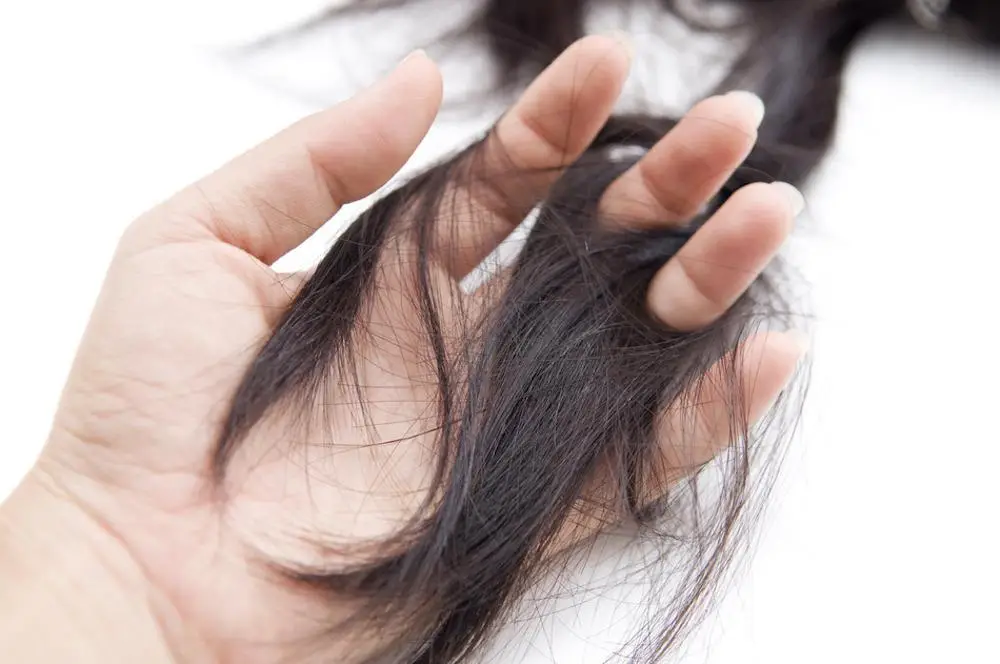
Did you know that 65% of men by age 60 and 40% of women by age 40 will have visibly noticeable hair loss? Many people think that hair loss is something that only affects you as you age.
The truth is hair loss can affect both men and women at any age, and can dramatically affect an individual’s appearance and confidence. There are many different factors that can play a role in hair loss.
In both men and women hormonal imbalance can be a major contributing factor for hair loss.
As a physician, one of the first things that come to mind when patients mention hair loss is thyroid function. This is especially true in patients who may be experiencing other thyroid suggesting symptoms like weight gain, low energy and dry skin.
The tricky thing with thyroid is that in many patients a simple prescription may not be enough. Your body needs many nutrients at a cellular level to properly utilize and convert thyroid hormone in the tissues. Some patients will find that although they are properly medicated and their thyroid levels are optimal, they still have not had all of their symptoms resolve.
In some of these patients the nutritional aspect of thyroid conversion might be exactly what is missing.
In women, as estrogen declines so can the appearance of their hair. As they enter menopause they may find that hair becomes more brittle and loses fullness.
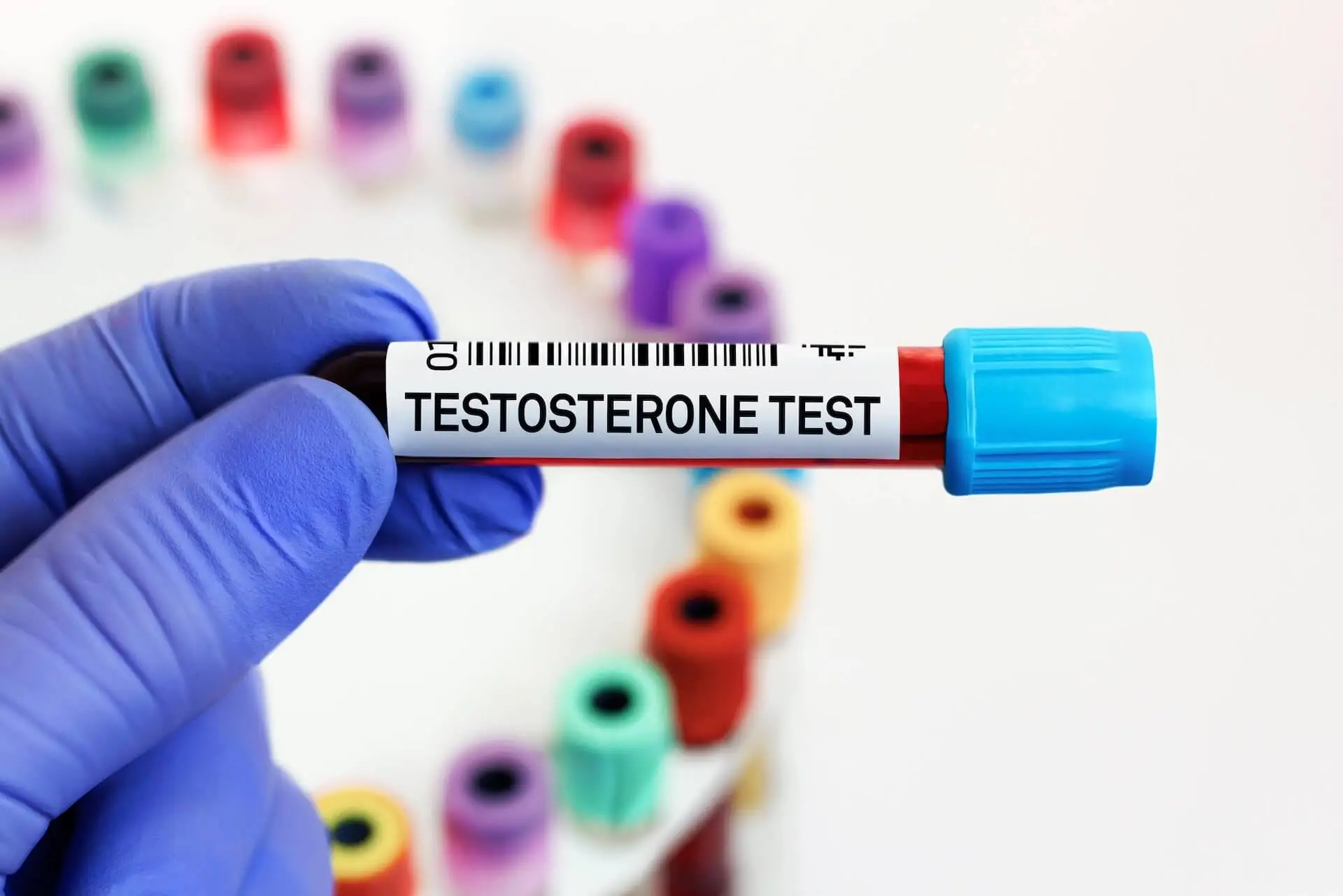
On the other end of the spectrum, testosterone can also play a role in hair loss. This is true in both men and women. In some patients, testosterone can be excessively converted into the active form of testosterone called DHT.
In both men and women, testosterone conversion can play a major role in hair loss, especially in patients who experience “male pattern baldness.”
When most people think about nutrition needed to maintain and promote healthy hair growth, they automatically think of Biotin. While biotin is important to maintain healthy hair, it is not the only nutrient that is required.
In fact, one of the most important things to think about when it comes to promoting healthy hair growth is your mineral status. Proper levels of Vitamin A, Vitamin E, biotin, zinc, magnesium and iron are all needed to ensure healthy hair growth.
In some patients with hair loss it is not enough to simply get the body back in balance and expect new hair growth. Many times balancing hormones and optimal nutrition will prevent further hair loss, but for patients where thinning hair is negatively affecting their confidence and life that may not be enough.
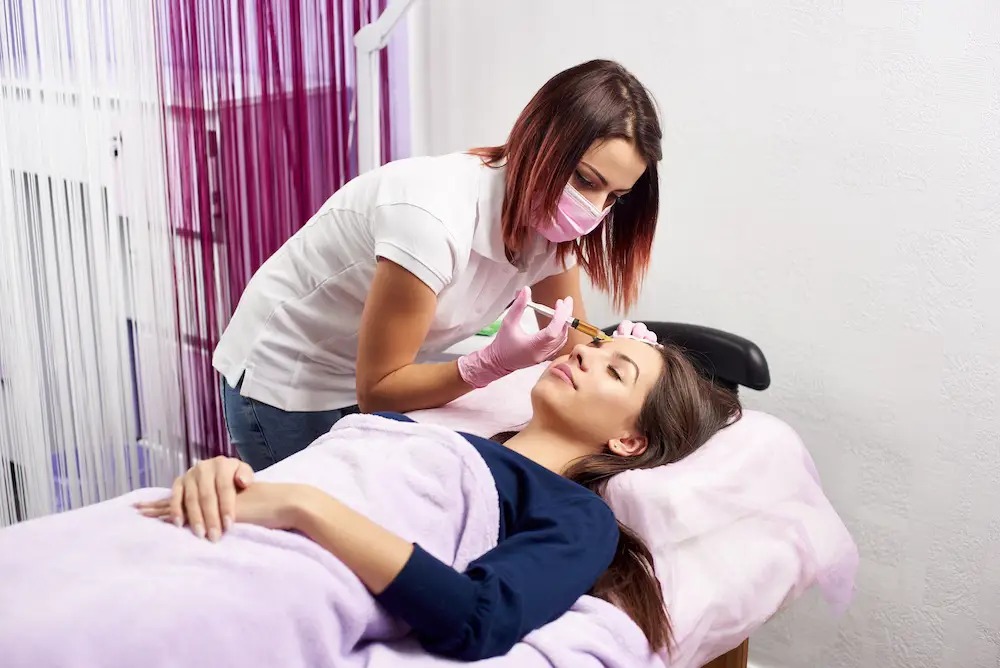
Non-Surgical Hair Regeneration can be a good option to consider in these patients. This treatment allows growth factors to get directly to the hair follicle, stimulating hair growth.
Combining Non-Surgical Hair Regeneration with nutritional and hormonal evaluation can be a safe and effective treatment for men and women suffering from hair loss.
Jan 27, 2022
Mar 22, 2021
Mar 8, 2021
Sep 28, 2026

Sep 10, 2026
Aug 28, 2026
Jul 30, 2026
Jul 15, 2026