What are common performance medicine treatments in Scottsdale?
Oct 23, 2025
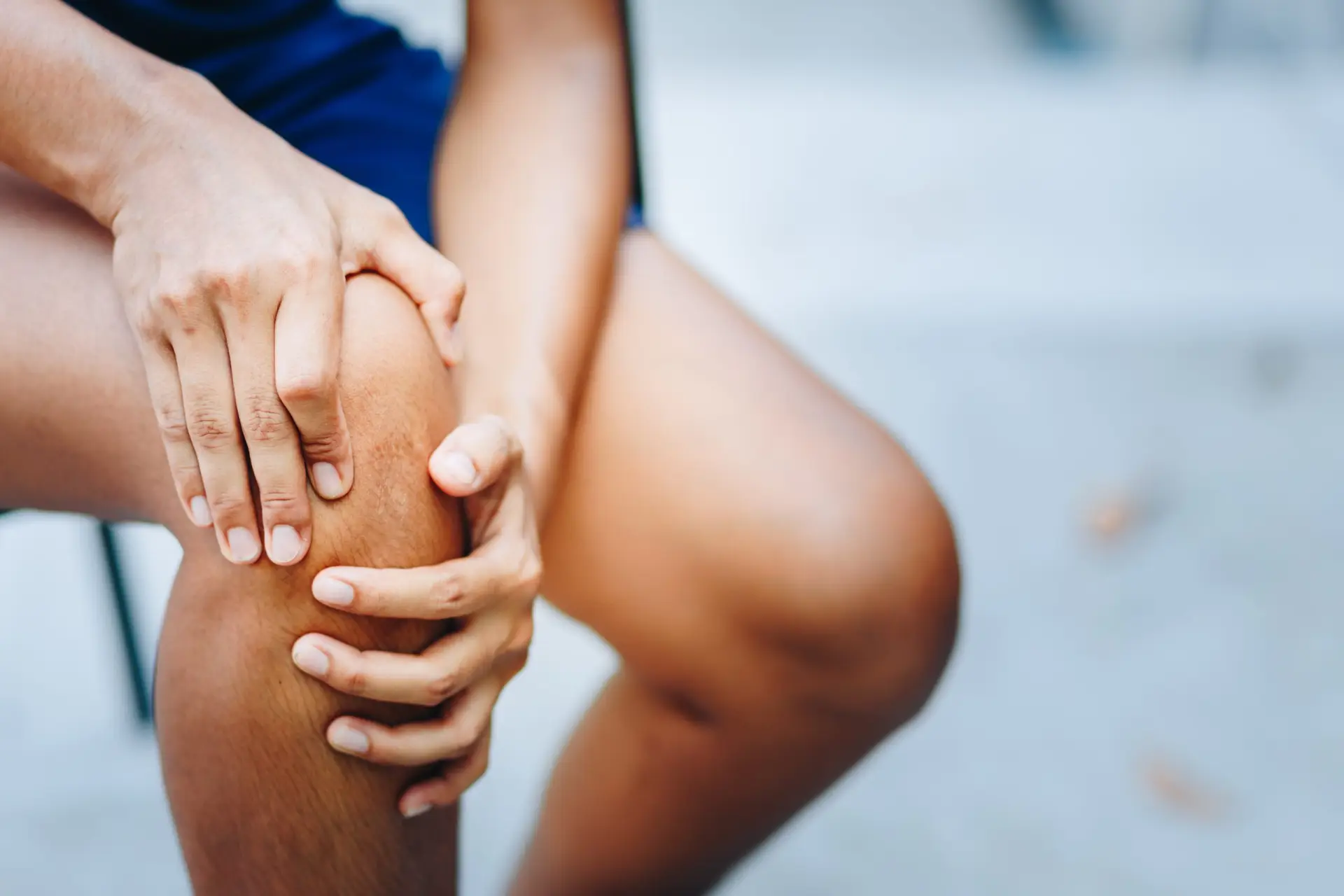
Have you ever wondered why knee pain is so common? It affects everyone, from athletes to people doing everyday tasks. Finding ways to manage knee pain can greatly improve your life and how you move around.
About 60% of people with knee pain have it because of muscle imbalances. Runners and athletes often experience knee pain due to bad form, affecting 30% of them. Even non-athletes get knee pain from daily activities, making up to 40% of cases.
Unlike one-time injuries, long-term knee pain needs a variety of treatments. The RICE method (Rest, Ice, Compression, Elevation) is often used first to reduce pain and swelling. NSAIDs like ibuprofen and naproxen also help by lowering inflammation and easing pain. Wearing knee braces can help keep the knee stable and in line.
To better manage knee pain, it’s important to stretch and strengthen regularly. These exercises can increase knee movement by up to 25%. During the pandemic, a 50% increase in tight hamstrings was seen, showing the need for staying active.
Knee pain is common, with many people experiencing it at some point. Finding ways to ease knee pain is key to staying active. Luckily, there are many natural remedies and holistic strategies you can try at home.
One effective tip is to use the RICE method—Rest, Ice, Compression, and Elevation. Ice packs reduce inflammation, and compression bandages help with swelling. Over-the-counter NSAIDs like ibuprofen can also help manage pain.
Strengthening the muscles around the knee can also help. Tai chi, recommended by health experts, is great for those with osteoarthritis. Studies show it can offer significant benefits, even more than standard physical therapy.
Diet plays a role in knee pain too. Excess weight can make pain worse. Losing weight can help, and a Mediterranean diet is recommended for managing arthritis.
Acupuncture is another option. Research shows it can improve pain and function. Massaging the knee with ginger and orange oil can also help with osteoarthritis.
Trying these natural remedies can greatly improve your quality of life. They offer a non-invasive way to manage knee pain at home.
Relieving knee pain requires a mix of medical and lifestyle changes. First, a doctor will do tests like X-rays or MRIs to find the cause. It’s important to do exercises that strengthen the knee muscles.
The RICE method is a good start: Rest, Ice, Compression, and Elevation. It can help heal faster by about 20%. But, always talk to a doctor before taking pain meds like ibuprofen for more than 10 days.
If simple steps don’t work, more serious treatments might be needed. Knee arthroscopy is a common surgery that helps fix joint damage quickly. For severe cases, a knee replacement might be suggested. Physical therapy is key to make the knee stronger.
Changing your lifestyle also helps a lot. Losing weight and doing low-impact activities like swimming can cut pain by up to 30%. Using walking aids can also make moving around easier by up to 30%.
For more specific help, try knee supports, tai chi, or heat/cold therapy. Getting a treatment plan from a doctor is best for lasting relief. Even alternative treatments like acupuncture can help, with 70% of people feeling better.
In summary, to ease knee pain, you need to exercise, take meds, consider surgery, and make lifestyle changes. The aim is to find a way that works for you, addressing both symptoms and the root cause.
Managing knee pain requires a mix of treatments that fit each person’s needs. Knee pain affects about 25% of adults, with a 65% increase in the last 20 years. This shows the need for various knee pain relief options.
Home remedies like exercise and weight control are helpful. So are medicines like NSAIDs and corticosteroid injections. Adding aerobic and strength training exercises can also help, especially for those with osteoarthritis.
Preventing knee problems is key. Activities that don’t strain the knees, a diet full of omega-3s, and keeping a healthy weight are important. Home exercise programs can be as good as supervised ones for improving function and walking distance.
Knee pain can come from osteoarthritis or injuries from sports. To tackle knee pain, we need both quick fixes and long-term plans. A tailored approach to knee pain can greatly improve life quality, keeping people active and healthy.
Embrace Whole‑Person Healing at Ethos Integrative Medicine of Scottsdale
Experience personalized care that blends conventional and complementary therapies—tailored nutrition, mindfulness, and cutting‑edge medical insights. Rediscover balance and vitality—get started with us today!
Oct 10, 2025
Feb 7, 2025
Mar 20, 2024
Mar 12, 2024
Dec 10, 2023
Sep 28, 2026
Sep 10, 2026

Aug 28, 2026
Jul 30, 2026
Jul 15, 2026