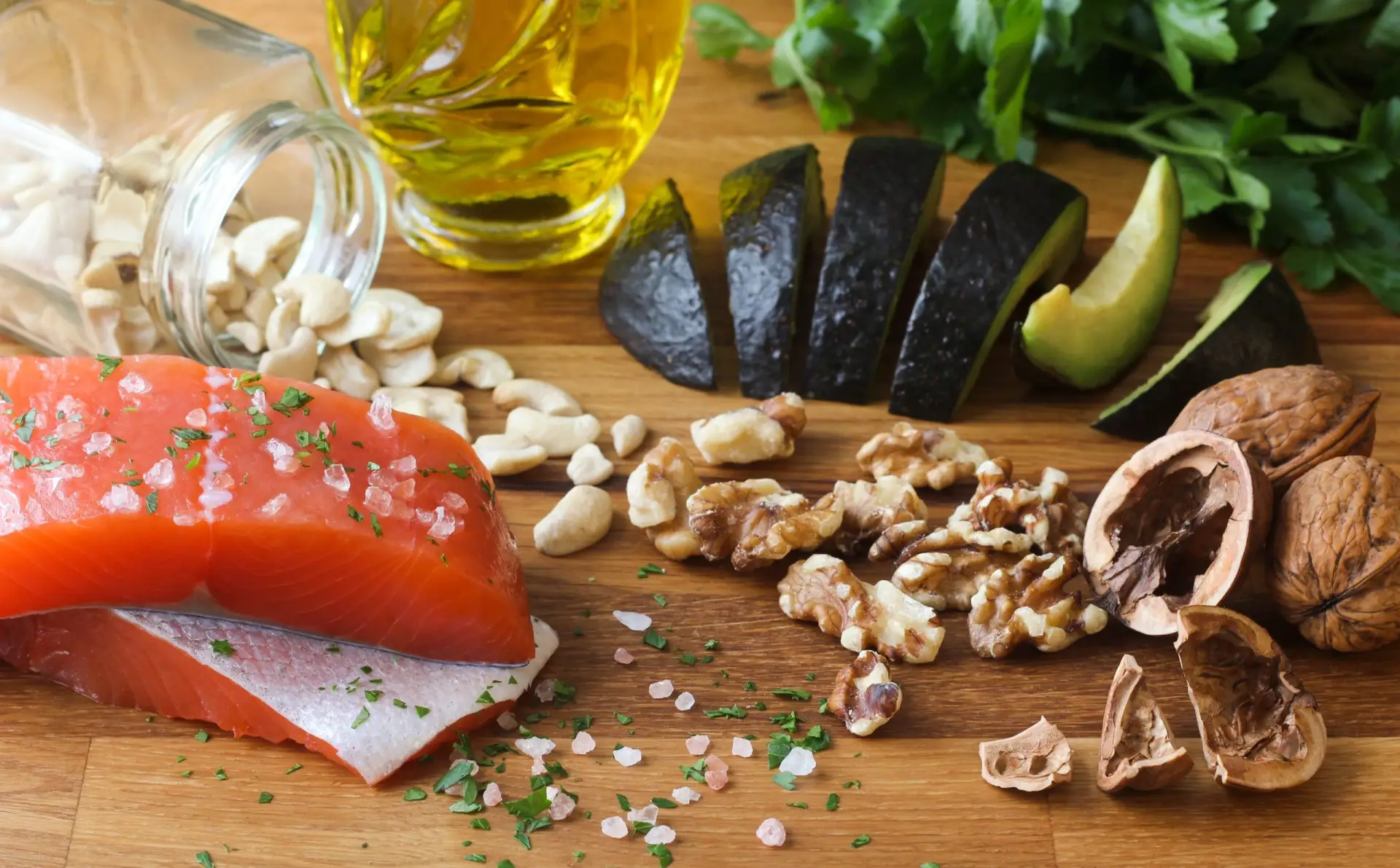
Dietary Keys to Joint Wellness: How Your Plate Can Transform Joint Health
Jan 24, 2024

Have you ever had a gut-feeling about your health? It may be more than just intuition — Your gut may be trying to tell you that something is wrong!
Few people realize that their gut acts as a second brain, wielding influence on several bodily functions and your overall well-being; Recent research has shown that your gut health plays a huge role in how you feel and function, and an upset gut microbiome could be a significant cause for concern.
So, what is the gut microbiome, and how does it influence your overall health? How can improving your gut health boost brain function?
In this article, we explore the current research and define the role of the gut microbiome to help you better understand this unique connection between your symptoms, gut health, and brain function.
The gut microbiome contains all the microbes that live in your large and small intestines. A healthy microbiome contains a healthy balance of yeast, viruses, fungi, and bacteria. According to scientists, an individual’s gut microbiome can hold up to 100 trillion microbes — most of which we obtain through our water and food.
Many factors can influence the health of your gut microbiome, including diet, medications, and infections. If the gut microbiome becomes unbalanced, that can increase the risk for disease or chronic symptoms, and ultimately affect the brain, leading to slow cognition and poor mental health.
According to recent studies, the gut affects the brain through the gut-brain axis. Essentially, this is a two-way street in which the gut and brain communicate biochemically through neurotransmitters.
You’ve likely heard of the Central Nervous System (CNS); It’s the main control center for the body, responsible for sending messages to and from the brain. The Enteric Nervous System (ENS) is the network of neurons that control the function of your GI tract and communicates with the CNS.
Because of this link, the gut microbiome is the “brain” in your gut. This second brain can regulate functions like digestion, mood, and how we think!
The food we consume plays a vital role in maintaining a healthy gut. As we digest, the nutrients from our food gets broken down into simpler forms like amino acids, glucose, and fatty acids. The ENS directs these nutrients to travel from the gut to the brain via the bloodstream. Ensuring a balanced diet can help to provide the brain with the nutrients it needs, boosting brain function, enhancing energy levels, and fostering sharper cognition.
Additionally, the gut can influence your immune function; Immune system cells found in the gut wall can send signals to the brain via the ENS. Approximately 70% of the immune system is housed in your gut, so a healthy gut microbiome will improve the body’s ability to fight infections. An underperforming or stressed gut will negatively impact the immune system, increasing the risk for Irritable Bowel Syndrome (IBS), Crohn’s Disease, heart disease, leaky gut syndrome, diabetes, or other inflammatory conditions.
Research in the last decade has shown that good bacteria found in the gut can impact the production of serotonin and regulate cortisol, helping individuals to remain calmer under stress. Moreover, supporting a healthy gut can reduce the effects of brain fog, improve cognitive behavior, and ultimately enhance brain function.
Now that you’ve got a better understanding of the significant role our gut health can play in boosting brain function and our overall health, it’s important to listen to that gut-feeling. Below are common symptoms associated with an unhealthy gut microbiome:
Fatigue
Acid Reflux or Heartburn
Diarrhea
Bloating
Constipation
Additionally, if you’ve been diagnosed with gut dysbiosis, you may experience other conditions including obesity, diabetes, IBS, and inflammatory bowel disease (IBD)
Keeping your gut microbiome balanced is one of the best ways to ensure optimal health and longevity.
Our #1 tip to creating a healthy gut microbiome is to make sure there is more good than bad bacteria. Adopting a diet rich in fruits, vegetables, whole grains, and lean proteins, and reducing your intake of refined sugars, will help to provide your microbiome with the balance of healthy bacteria and nutrients it needs.
You may also want to consider incorporating probiotics or supplements (though not all supplements are created equally), eating fermented foods, reducing stress with healthy coping techniques, avoiding specific medications in the long term, and maintaining a regular eating schedule.
At Ethos Integrative Medicine, our team of specialists understands this unique connection between the gut and brain. If you suspect that your symptoms are related to an imbalance in your gut microbiome, don’t ignore the signs! Schedule a consultation with our GI Specialist, Dr. Michael Kolotinsky.
Contact us here and let us help you help yourself.

Sep 10, 2026

Aug 28, 2026

Jul 30, 2026
Jul 15, 2026
Feb 17, 2026