What is the cause of wrist pain?
Feb 17, 2026
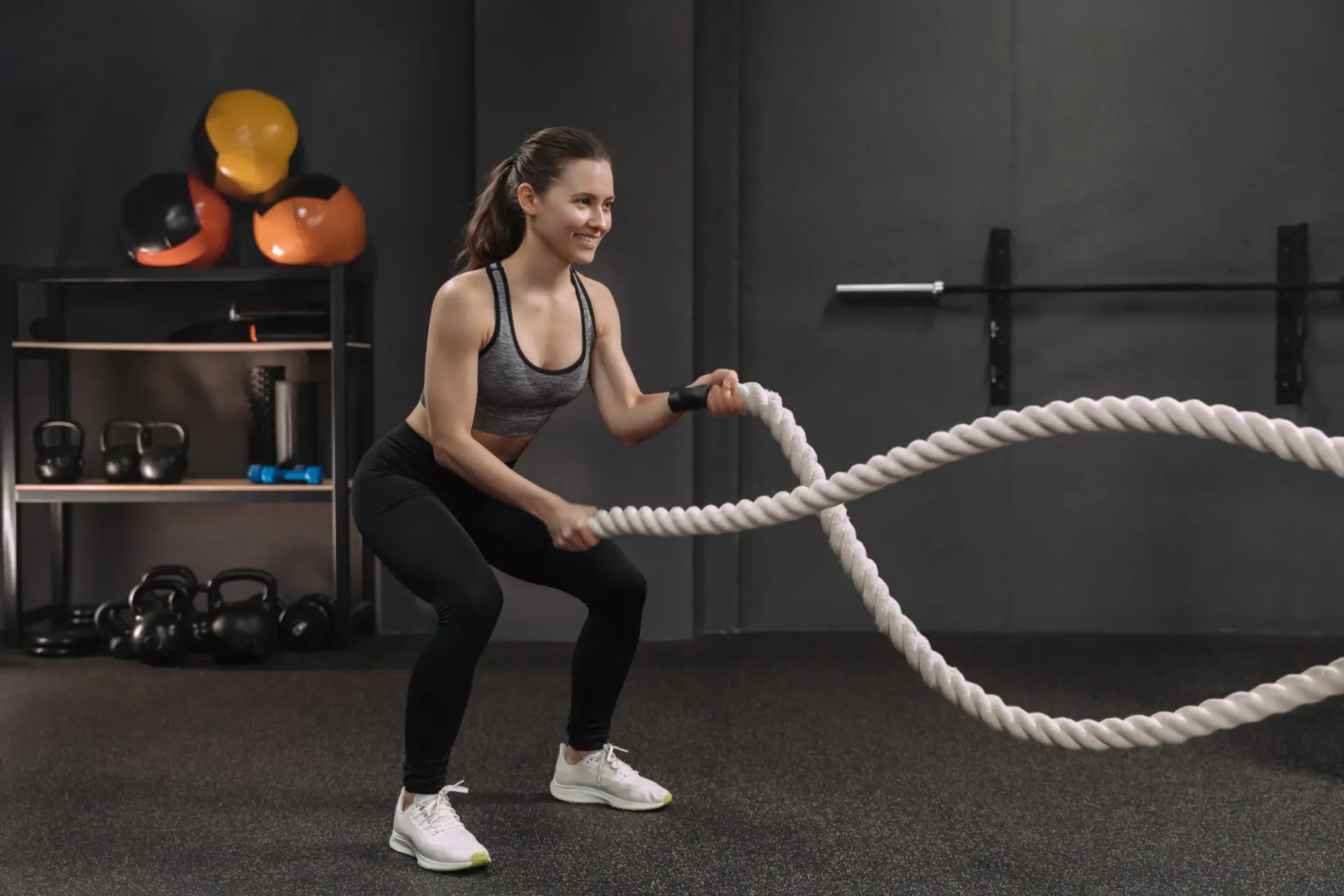
Sports-related orthopedic injuries are a common experience. Approximately 50-80% of athletic injuries are a result of overuse, and according to statistics, roughly 10,000 athletes seek treatment daily for injuries related to exercise, recreational activities, and sports!
Fortunately, overuse injuries can be prevented through functional movement screening. This powerful tool is widely used to assess movement patterns and mobility, helping individuals to continue performing at the top of their game. In this article, we explain functional movement screening and how YOU can prevent sports-related orthopedic injuries.
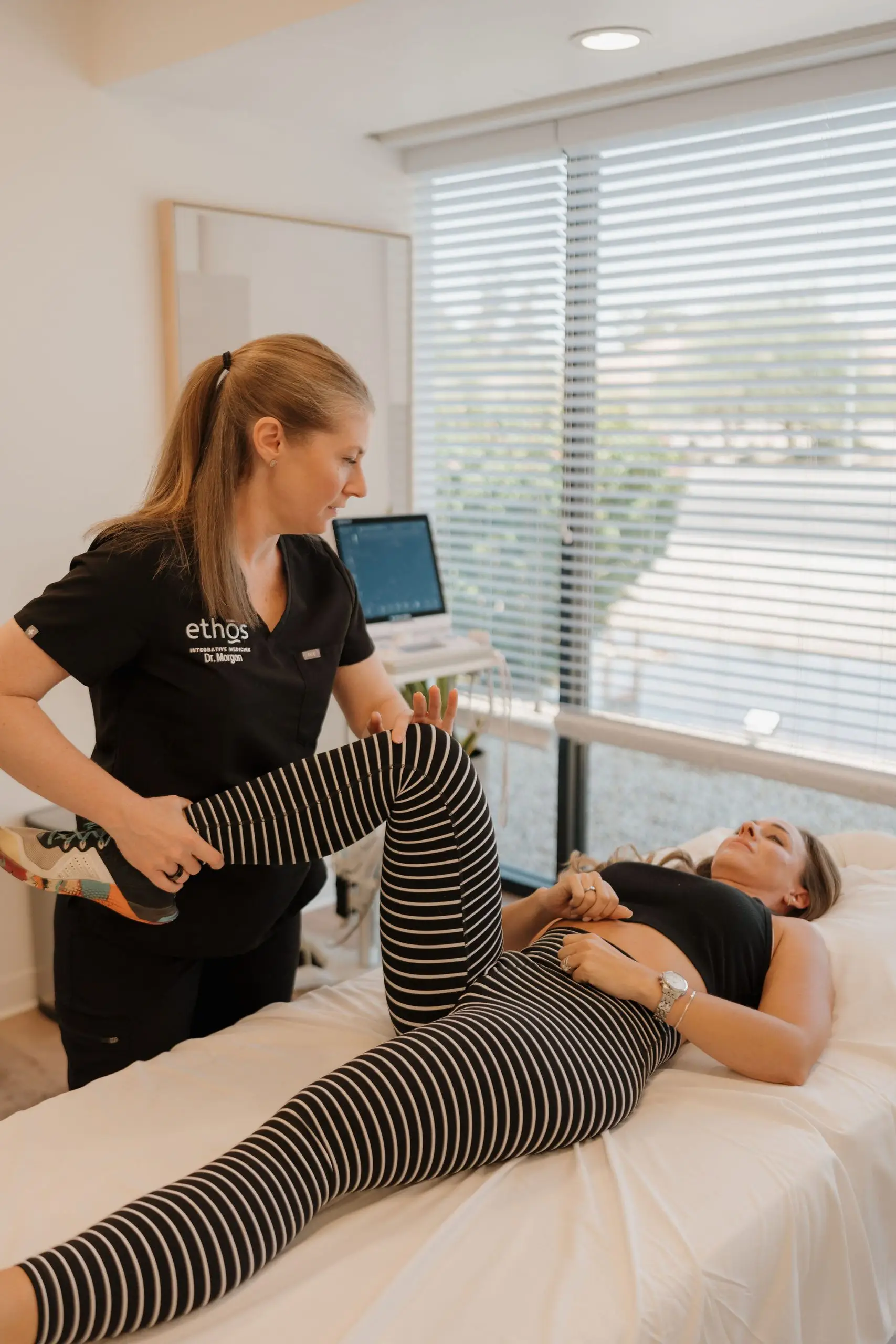
A Functional Movement Screen (FMS) is a systematic approach used by fitness professionals, physical therapists, and other healthcare professionals to assess movement patterns and identify potential imbalances in your basic movement mechanics.
Fundamental movements are used for almost all physical activities, including sports and everyday tasks. These movements include squatting, lunging, pushing, pulling, and rotating different parts of the body. When you’re limited in these fundamental movements, it can lead to inefficient and compensatory movements, decreased performance, and increased risk of injury and pain.
While you can never know exactly how or when a sports injury will occur, you can predict how likely an injury is going to happen with functional movement screening. FMS can help identify potential risks for sports-related injuries in the future by assessing how current body movements can be improved during training. Below are a few common fitness and sports-related orthopedic injuries a functional movement screening can help prevent:
Additionally, completing a functional movement screening before injury can establish a baseline, allowing fitness professionals, physical therapists, and physicians to customize a rehabilitation program that focuses on helping you heal and return to pre-injury fitness levels.
Functional movement screening is one of the newest testing tools used to detect an individual’s risk for developing musculoskeletal conditions and injuries.
For example, if a marathon runner is experiencing pain in their legs, a functional movement screen prior to racing can help uncover the cause of pain and identify corrective exercises needed to restore movements to race readiness. Preventative medicine and injury prevention mean this runner won’t need to rely on pain medications, which ultimately mask the signs of a looming injury on the horizon.
Ultimately, customized injury prevention programs through functional movement screening help optimize athlete wellness and minimize their risks of sports-related orthopedic injuries.
The best way to remain injury-free and healthy is to take preventative measures and make sure you’re performing fundamental movements correctly! With Functional Movement Screening, you can identify and correct imbalances in your movements, improving your mobility and stability, and decreasing the risk of overuse injury.
Now, if you are suffering from an injury, the first step to getting out of pain is identifying exactly what is causing it. At Ethos, our team of sports medicine specialists are here to help! With our tailored movement screening and diagnostic pain mapping techniques, we’ll pinpoint exactly where your pain is coming from and tailor your treatment plan to prevent pain from coming back. If you’re ready to get out of pain for good, get started with our team today!
Dec 4, 2025

Mar 20, 2024

Mar 12, 2024
Sep 28, 2026

Sep 10, 2026

Aug 28, 2026
Jul 30, 2026
Jul 15, 2026