Navigating Shoulder Pain and Regaining Mobility
Mar 20, 2024
According to statistics released by the CDC, it’s estimated that 53.2 million adults suffer from arthritis in the United States. In addition, other joint concerns, like joint inflammation and pain, are incredibly prevalent in our society. Recent research has found that roughly one-third of adults experience joint pain monthly, and it’s more common an affliction as we age.
Unfortunately, since joint woes are common and arthritis does not have a cure, you will likely experience some form of joint discomfort during your lifetime. Yet, this doesn’t mean there are no solutions or preventative measures.
At Ethos Integrative Medicine, we are often asked about joint health and how to be proactive about caring for your joints. Our answer remains the same: what you eat can improve your joint health, and studies have shown that an anti-inflammatory diet could be the key.
Perhaps you’re wondering, “why not just take an Advil or ibuprofen?” While nonsteroidal anti-inflammatory drugs can temporarily manage joint pain and inflammation, these drugs can have damaging side effects over the long term. So why not let your food be your medicine by adding the following anti-inflammatory ones to your diet?
Diet plays a significant part in our lives as what we eat can often have far-reaching effects. For example, a diet of unhealthy, processed, highly inflammatory foods can lead to an individual developing adverse health conditions like diabetes, heart disease, and obesity later in life.
Unsurprisingly, many experts (us included) recommend an anti-inflammatory diet to help keep your joints and bones strong and healthy; If you eat a balanced diet and make a conscious effort to include certain anti-inflammatory foods on your plate day in and day out, you can reduce the likelihood of developing conditions like arthritis, osteoporosis, and gout.
Now, we know that an anti-inflammatory diet might sound complicated, but it’s actually simple. This diet involves reducing your intake of processed foods, trans fat, and charred meat, as these foods are known to cause inflammation.
Each of the foods listed has undergone comprehensive scientific study and has proven to improve and maintain the health of your joints.
For centuries, this yellow household spice has been valued for its multifaceted medicinal uses. In the last four decades, recent research has highlighted its remarkable anti-inflammatory properties, helping to alleviate various health conditions. Turmeric contains a nutrient known as curcumin, which has proven to specifically relieve joint pain in osteoarthritis patients!
A well-researched provider will understand that not every patient’s body will be able to absorb curcumin. It’s important to work with a doctor who is familiar with these properties and can recommend an appropriate alternative supplement (such as turmeric) that your body can properly process.
Adding oatmeal to your breakfast roster is the way to go if you want to lower levels of inflammation in your body and joints. According to a recent study, the fiber found in oatmeal can help to support the gut microbiota and reduce the risk for rheumatoid arthritis or other inflammatory joint problems.
One cup of oatmeal daily is estimated to contain around 4 grams of dietary fiber, which over time can improve your immune response, restore gut symbiosis, and ultimately benefit your joint health.
Few people realize that joint health is impacted by joint-specific inflammation. Omega-3 fatty acids are a key dietary factor that targets joint inflammation!
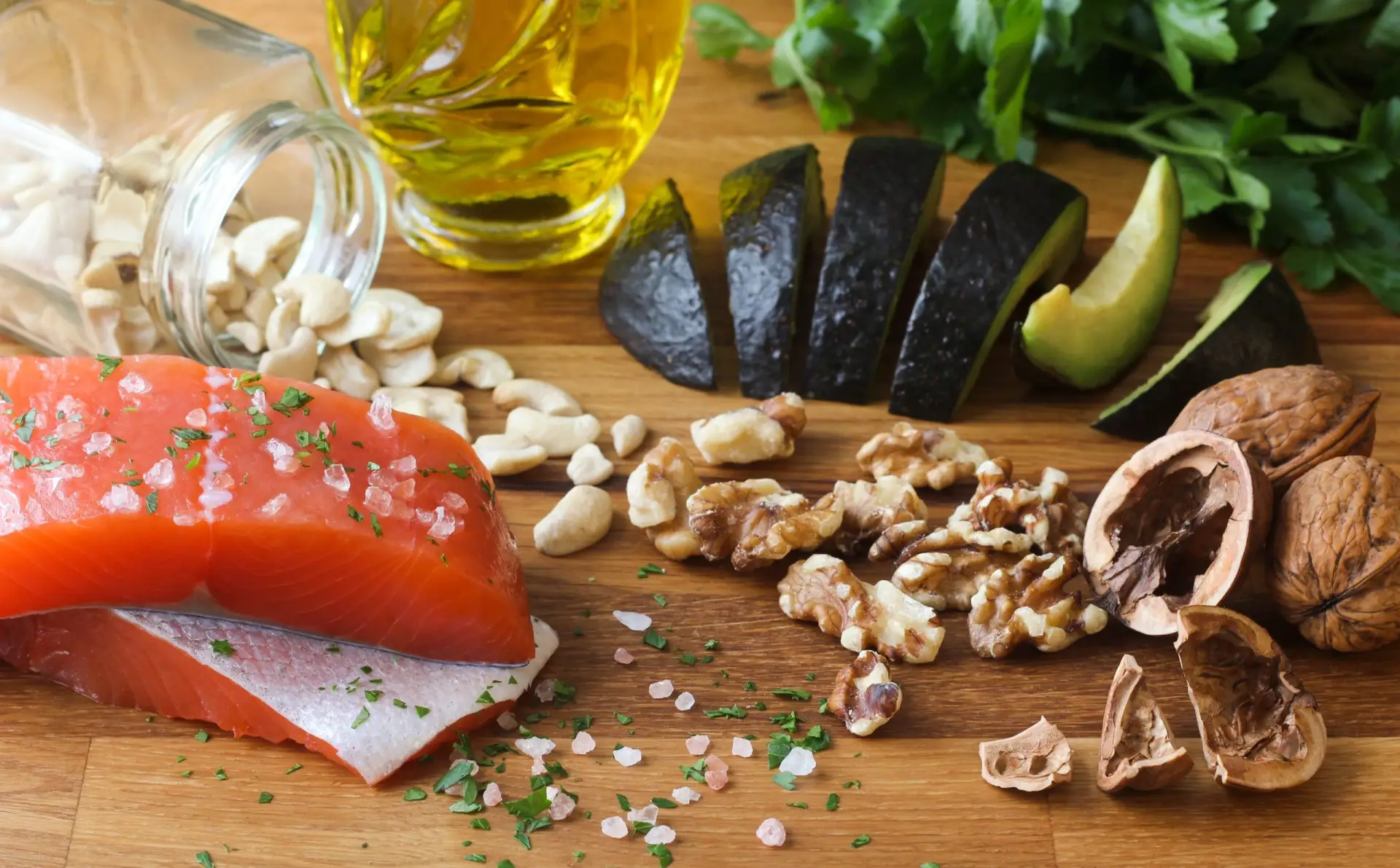
Fortunately, salmon is one of the best sources of omega-3 fatty acids; A meta-analysis determined that eating fatty fish like salmon, sardines, or mackerel two times a week helps to lower rheumatoid arthritis activity. If you’re fishing for joint pain solutions, consider adding salmon to your plate.
Blueberries are known for their fresh, sweet taste and beautiful color, so they are popularly added to everything from yogurt and muffins to pavlovas and cakes. Yet, did you know that blueberries are packed with flavonoids and polyphenols?
These flavonoids and polyphenols have been scientifically proven to reduce joint inflammation and ease joint pain. They can also improve bone density as you age and prevent bone loss! With this in mind, it might be time to add them to your mealtime creations.
We know that some people have a love-hate relationship with cruciferous vegetables. However, we promise they are one of the biggest dietary keys to joint wellness.
Cruciferous vegetables like cauliflower, brussels sprouts, and broccoli has been found to block enzymes that lead to the swelling of the joints. So adding them to your diet will help stop swelling in its tracks before achy joints become a problem.
Ultimately the keys to joint wellness include prioritizing a healthy lifestyle, maintaining a regular exercise regime, and adopting a balanced diet. What you eat plays a significant role in improving joint health, so don’t pass the plate on these anti-inflammatory foods!
With that being said, if you’re still experiencing joint pain and want to nip it in the bud, or are looking to prevent joint concerns, our specialists at Ethos Integrative Medicine are here to help.
With our expertise in the intricate link between joint health and diet, we’ll provide tailored solutions to relieve pain for good and strengthen joint health for the long term, ensuring a mobile and resilient frame for the years to come. Consider becoming a patient today!
If you’re experiencing joint pain or want to prevent joint inflammation, speak with Ethos Integrative Medicine. We can help you learn where you need to change your lifestyle and what to eat to enjoy joint wellness throughout your life.

Mar 20, 2024

Mar 12, 2024

Dec 10, 2023

Nov 14, 2023

Sep 28, 2026

Sep 10, 2026

Aug 28, 2026

Jul 30, 2026

Jul 15, 2026