TRT Clinic vs. Comprehensive Hormone Optimization
Aug 28, 2026
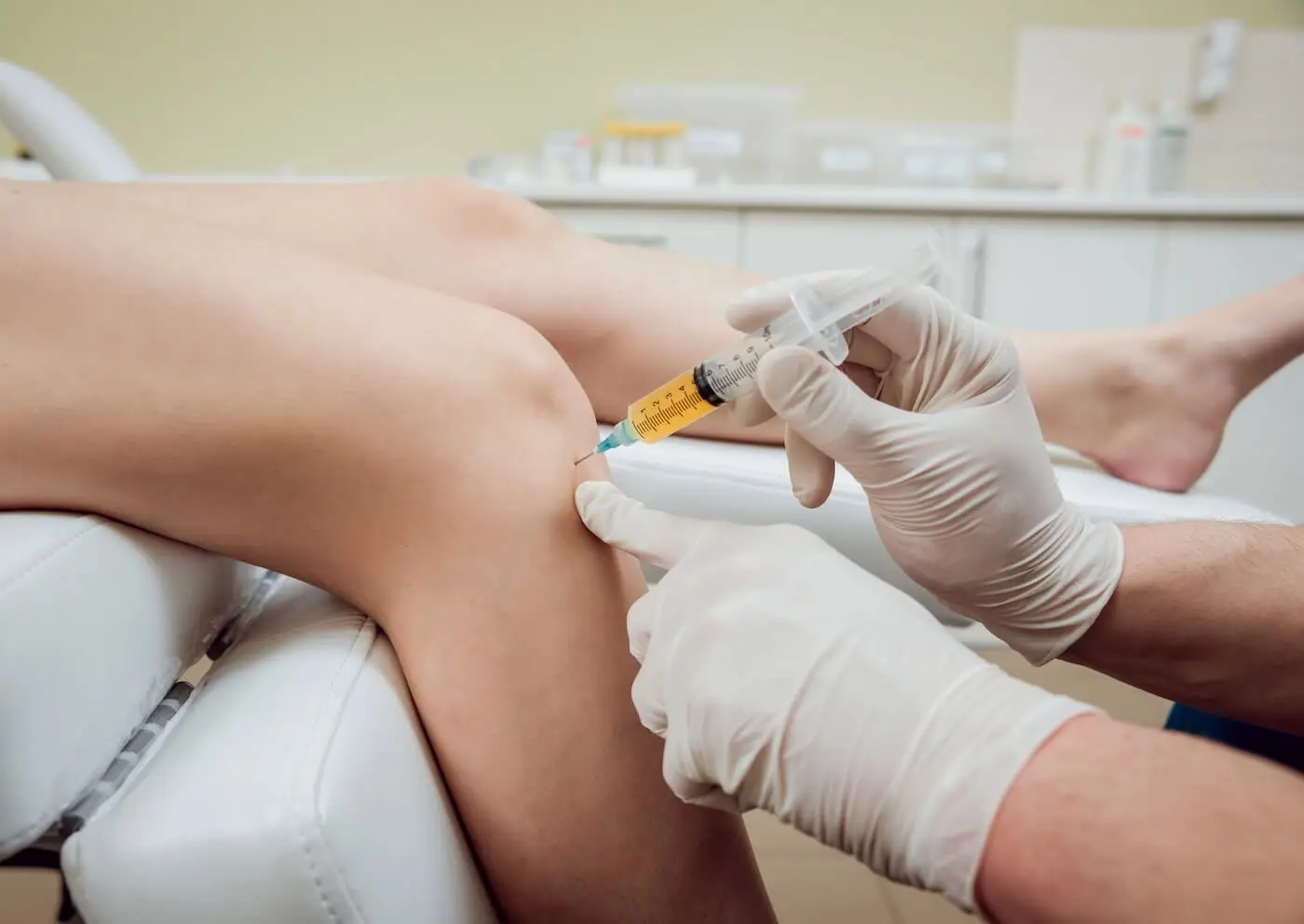
You’ve been told surgery is your only option, or you’ve been told to accept the pain and modify your life around it. Neither of those is a treatment plan; it’s a way of avoiding one.
Two orthobiologic treatments now dominate the real clinical conversation around joint and tendon injury: Platelet-Rich Plasma, or PRP, and Bone Marrow Aspirate Concentrate, or BMAC. Both use your own biology and are non-surgical. And neither is a universal answer, because they do not solve the same problem.
Choosing between them without a diagnosis is how patients end up paying for a treatment that was never going to work on the tissue they actually have. Getting it right means matching the treatment to the injury and its stage, not to whichever protocol a clinic happens to run.
Both treatments are autologous, meaning they come from your own body. Where they diverge is in what’s harvested and what that harvest contains.
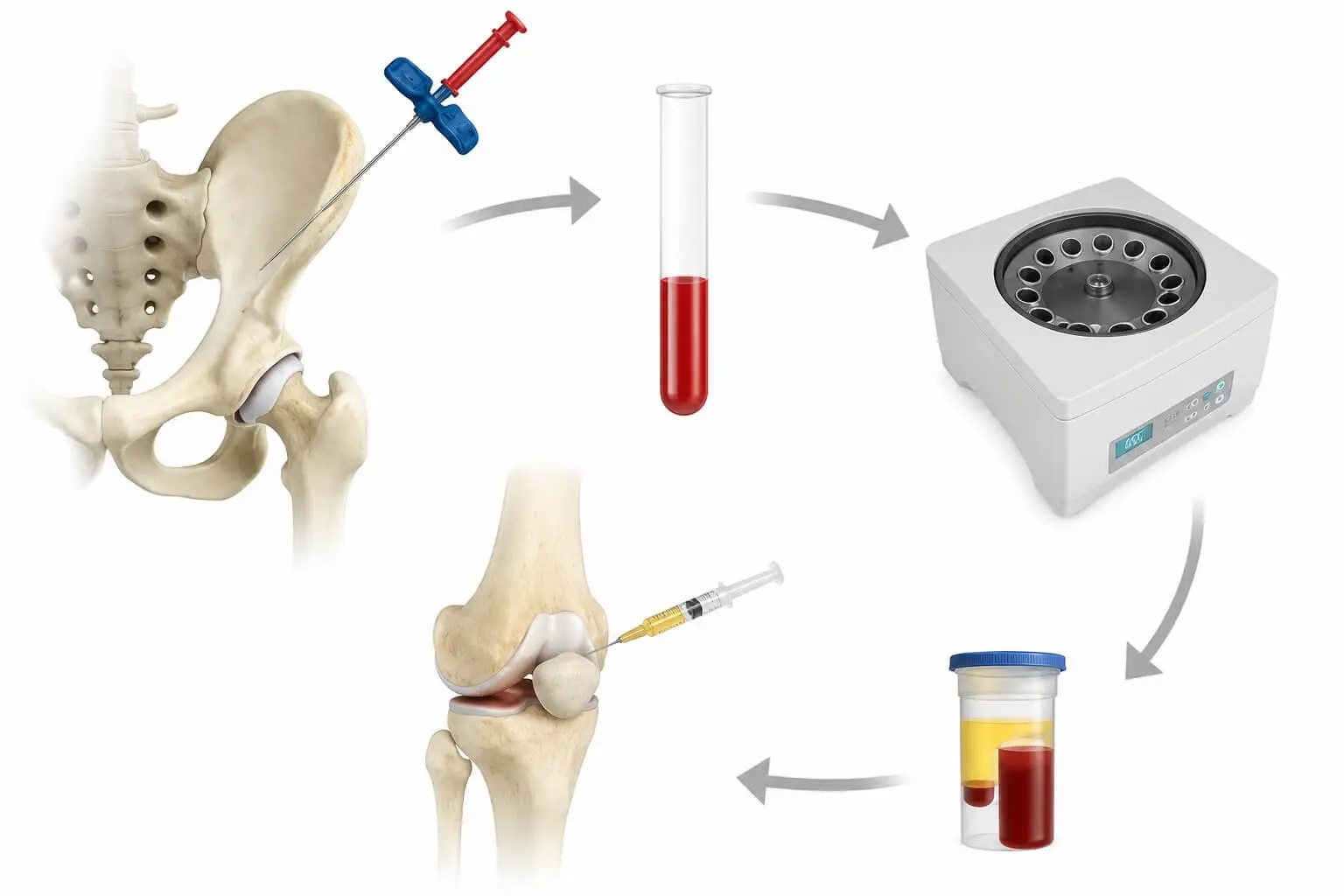
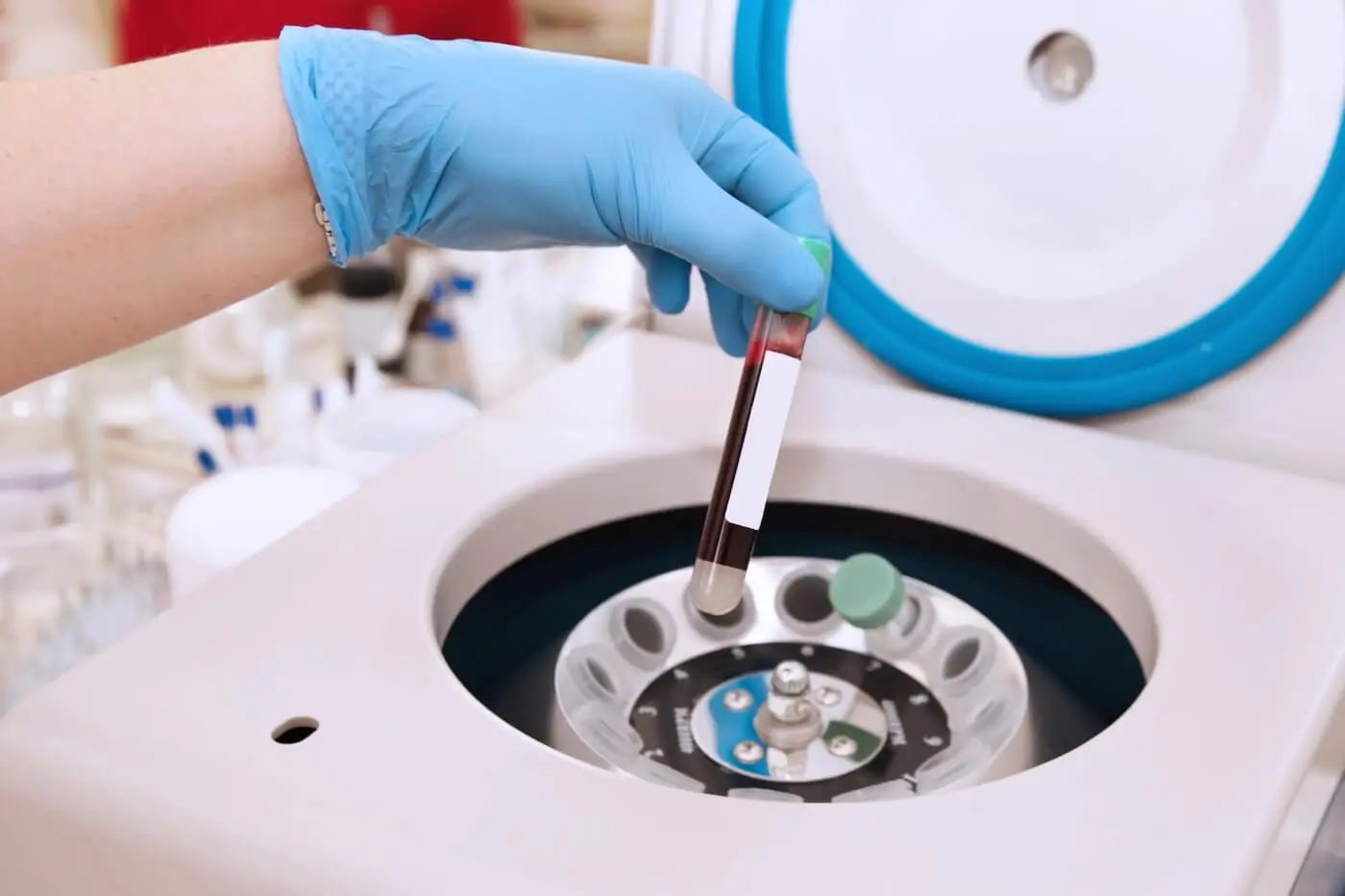
PRP starts with a blood draw. I spin that sample down in a centrifuge to concentrate the platelets and the growth factors they carry, including PDGF, TGF-beta, and VEGF. What PRP does not contain is live mesenchymal stem cells. It works as a biologic signal; it tells the tissue around the injection to reduce inflammation and start repairing itself. Think of PRP as jump-starting the healing process rather than supplying the raw material for one.
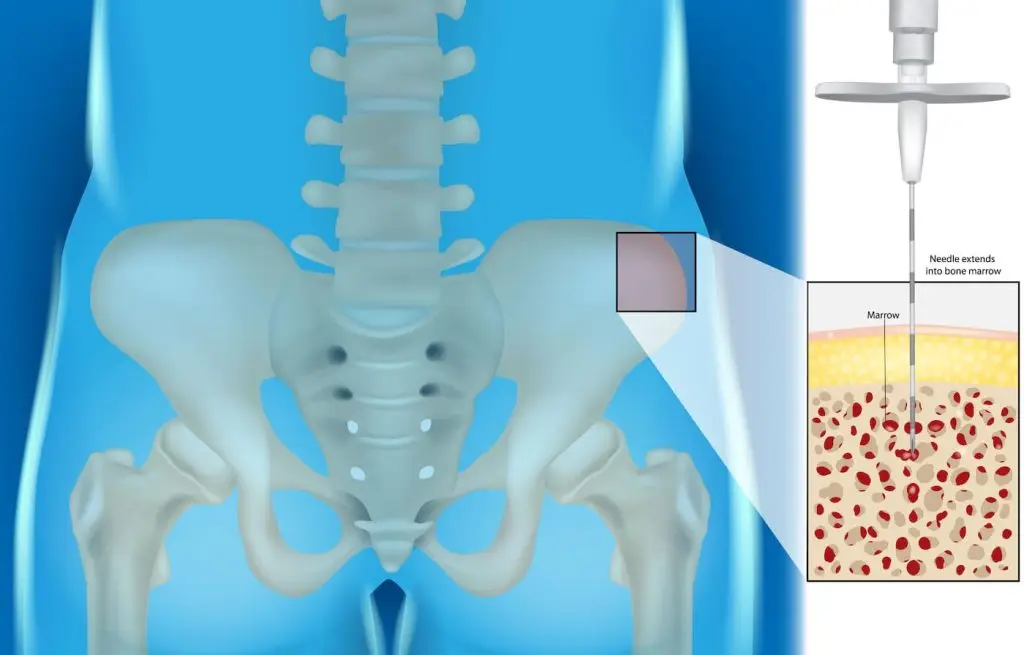
What Is BMAC (Bone Marrow Aspirate Concentrate)? BMAC is a regenerative treatment made by drawing bone marrow from the pelvic bone and concentrating its platelets, growth factors, and mesenchymal stem cells. Unlike PRP, it can contribute to actual structural tissue repair, making it suited to more advanced cartilage and joint damage.
BMAC is harvested differently. I draw it from the pelvic bone under local anesthesia; patients are often surprised by how little discomfort it causes during the draw itself. Like PRP, BMAC carries platelets and growth factors. What sets it apart is that it also contains mesenchymal stem cells, or MSCs, which contribute their own chemical signaling on top of what PRP provides. Research published in PMC and by the NIH has found that BMAC carries significantly higher concentrations of IL-1 receptor antagonist than most PRP formulations, giving it a broader anti-inflammatory and regenerative profile than PRP alone.
Neither treatment is covered by insurance. Mayo Clinic classifies both as off-label. That’s not a reflection of whether they work; it’s a reflection of how slowly insurance categories move relative to the pace of the clinical evidence.
The gap between these two treatments is wider than most patients expect when they walk in the door.
What’s the practical difference between PRP and BMAC? PRP works as a repair signal, which is why it performs best on tissue that is still relatively intact. BMAC adds mesenchymal stem cells on top of that same signal, giving it the capacity to contribute to actual structural regeneration, which is why it’s generally reserved for more advanced damage.
That distinction is not a minor one. Telling tissue to heal faster and giving it additional cells to heal with are two different jobs, the difference between telling a workforce to work harder and bringing in additional workers.
The procedures themselves differ too. PRP requires a blood draw and has a downtime that consists of one to three days of soreness at the injection site. BMAC requires bone marrow aspiration from the iliac crest, and soreness occurs at both the harvest and injection sites, usually lasting three to seven days.
While there is overlap in how these treatments work, there are also some clinical distinctions. PRP is built for signaling and works best when the treated tissue is still relatively intact. PRP excels at reducing inflammation, stimulating repair in tendons and ligaments, and supporting joints in the early stages of degeneration. BMAC is designed for regeneration; it provides a scaffold best suited for more severely damaged tissue. It targets structural tissue loss, cartilage defects, and injuries where PRP’s growth-factor signal alone is insufficient to drive meaningful repair. Put simply, the larger the defect, the more likely BMAC is the better option.
While both therapies work and have their place, one of the groundbreaking studies on BMAC was conducted by Dr. Hernigou, an orthopedic surgeon in France. In this study, 140 patients scheduled for bilateral knee replacement received BMAC in one knee and a total knee replacement in the other. After 15 years:
Here is how the two compare at a glance:
| Factor | PRP | BMAC |
|---|---|---|
| Source | Blood draw | Bone marrow (iliac crest) |
| Contains stem cells | No | Yes |
| Best for | Early-stage OA, tendinopathy | Moderate to advanced OA, structural damage |
| Recovery | 1 to 3 days | 3 to 7 days |
| Cost | $500 to $2,000 | $5,000 to $10,000 |
Patients often want to know which category their injury falls into before they ask about mechanism or evidence, so here is the practical breakdown I actually use in clinic.
Which injuries respond best to PRP versus BMAC? PRP is generally the better fit for tendinopathies and ligament sprains in relatively intact tissue, including tennis elbow, patellar tendinopathy, and early-stage joint pain. BMAC is generally reserved for cartilage defects, advanced osteoarthritis, and non-union fractures, where more significant structural repair is needed.
Tennis elbow, golfer’s elbow, patellar tendinopathy, and rotator cuff tendinopathy generally respond well to PRP, particularly when the tendon tissue is still relatively intact rather than significantly torn. Elbow and Wrist Pain page Shoulder Pain page
Ligament sprains and mild to moderate laxity, including many knee and ankle injuries, are typically well suited to PRP’s growth-factor signaling before more advanced intervention is needed. Knee Pain page, Foot and Ankle Pain page
Focal cartilage defects and moderate to advanced osteoarthritis, particularly Kellgren-Lawrence grades II through IV, are where BMAC’s added regenerative capacity tends to matter most. Knee Pain page, Hip Pain page
Fractures that have failed to heal on a normal timeline are one of the more established uses of BMAC outside of joint care, since the mesenchymal stem cells it delivers can support bone healing directly. Regenerative Orthopedics page
Which is better for knee osteoarthritis, PRP or BMAC? It depends on severity. The 2024 ESSKA guidelines support PRP for Kellgren-Lawrence grades 0 to III after conservative treatment fails, but not for grade IV. BMAC is generally the better fit for moderate to advanced osteoarthritis (grades II to IV) and cases that did not respond to PRP. A diagnosis should determine the choice, not preference.
PRP has a strong evidence base. Mayo Clinic puts the odds of meaningful pain relief for appropriate candidates at 60 to 70%. It’s minimally invasive, requiring only a blood draw, and most patients are back to normal activity within 24 to 48 hours. Costs can range from $500 to $2,000 per injection in the United States, according to Rush Ortho and Hopkins Medicine. Not all PRP is created equal, as preparation quality matters more than people assume. For a meaningful and long-lasting treatment for osteoarthritis, the clinician needs to ensure that the PRP solution contains at least 10 billion platelets in the syringe. Anything below 10 billion will result in a subpar result at best or not work at all. Benefits are typically seen by week 6, with an average of 50% reduction in pain and continued improvement for an additional 6 weeks. When done correctly, many PRP treatments can last longer than 2 years and not require multiple treatments.
BMAC has a broader regenerative profile because it delivers mesenchymal stem cells alongside growth factors, enabling it to contribute to structural tissue repair rather than accelerate repair that’s already possible. Complication risk is low. Cleveland Clinic describes the most common side effects as temporary pain and swelling that resolve within a few days. Progress is typically continually seen at the 3-, 6-, and 12-month marks. The cost is higher, running $5,000 to $10,000 per session. As with PRP, the quality of BMAC matters, and patient selection and provider expertise do more of the work than the injection itself, which is exactly why the diagnosis has to come first.

How do I know whether PRP or BMAC is right for my injury? Three factors decide it: which tissue is damaged, how advanced that damage is, and your overall health status. Each one can point to a different answer, which is why this is a clinical decision, not a preference.
While these treatments are amazing and do work, not everyone is a candidate. There are a few variables to consider when deciding which therapy is best. The initial set of considerations includes what tissue is damaged, how far the damage has progressed, and your own health status.
The severity of the tissue damage is one of the most important factors to consider when weighing your options. The 2024 ESSKA guidelines support PRP for knee osteoarthritis at Kellgren-Lawrence grades 0 through III after conservative treatment has failed, but explicitly do not recommend PRP for grade IV end-stage osteoarthritis, according to Frontiers in Medicine. BMAC is typically the better fit for moderate-to-advanced osteoarthritis grades II through IV, non-healing injuries, and cases that didn’t respond to PRP.
BMAC produced significantly greater improvement than PRP at twelve months for advanced knee osteoarthritis: 29% greater improvement in VAS pain scores, 54% greater improvement in KOOS, and 52% greater improvement in WOMAC, according to Nature Scientific Reports. For earlier-stage injuries, PRP holds its own just fine. As Frontiers in Medicine put it, “PRP is more effective than hyaluronic acid and corticosteroids for knee OA pain and function, and BMAC shows at least equivalent results to PRP at 1 year, with the possibility of greater effect beyond 24 months.”
Most of the research conversation around PRP centers on knee osteoarthritis, but its clinical track record is arguably just as strong for the tendon conditions above. Across multiple studies, PRP consistently outperforms corticosteroid injections at the 6 to 12 month mark, likely because tendon tissue responds well to a growth-factor signal without needing the additional regenerative capacity BMAC provides. If your injury is a tendon problem rather than an advanced joint one, PRP is often the more appropriate starting point, not a lesser option chosen because BMAC costs more.
Those are the general principles I work from. Use PRP first for tendinopathies, ligament sprains, and early-stage osteoarthritis. Use BMAC for partial tears, stage IV osteoarthritis, and pain from bone marrow edema.
Your overall health status matters just as much as the injury itself. Active infection, malignancy, bleeding disorders, and severe anemia rule out BMAC. And arthritis with significant joint deformity generally isn’t a candidate for either treatment without a surgical consultation first. I would rather tell a patient that up front than let them spend money on a procedure that was never going to hold.
Not sure which category your injury falls into? A Joint Pain Deep Dive gives you a real answer instead of a guess. Book a Discovery Call to get started. [Link: Book a Discovery Call]
A PRP or BMAC injection is only as good as the diagnosis behind it. That is where our approach differs most from a typical injection clinic.
It’s important to understand that BMAC and PRP aren’t competing treatments; they’re two different tools designed for two different clinical scenarios. As mentioned earlier, the evidence supports PRP for earlier injuries and tendon problems and BMAC for more severe structural damage.
Every regenerative medicine case at Ethos starts with a Joint Pain Deep Dive before anyone commits to a procedure. At every evaluation, we aim to answer three questions.
Building a plan around the answers to these three questions is the difference between these therapies not working and lasting for years.
How much does Bone Marrow Concentrate vs. PRP cost in the United States?
PRP typically runs $500 to $2,000 per injection out of pocket, while BMAC runs $5,000 to $10,000 per procedure, according to Rush Ortho and Hopkins Medicine.
Are Bone Marrow Concentrate and PRP available across the United States?
PRP is widely available through orthopedic clinics, sports medicine practices, and regenerative medicine centers nationwide. BMAC is harder to find because it requires specialized training in bone marrow aspiration and the equipment to process it correctly.
Does BMAC actually regrow cartilage?
No, not in any definitive sense. Mayo Clinic states there is no definitive human evidence that BMAC regrows cartilage in diffuse osteoarthritis. Its primary clinical goal is symptom reduction and functional improvement, not full structural regeneration. A 2024 complication-rate review found BMAC’s complication rate is comparable to other injectables, including hyaluronic acid, with transient knee swelling the most common side effect, per ScienceDirect.
How does BMAC compare to PRP for tendinopathies versus joint degeneration?
PRP has the stronger evidence base for tendinopathies, including lateral epicondylitis, patellar tendinopathy, Achilles injuries, and rotator cuff conditions, according to Desert Spine and Sports. BMAC is typically reserved for moderate to severe joint degeneration, focal cartilage defects, partial tendon tears that didn’t respond to PRP, and non-union fractures. One systematic review found PRP scored highest for pain and function in knee osteoarthritis at six months or longer, ahead of BMAC, hyaluronic acid, and corticosteroids, per a review published in the Journal of Arthroplasty.
How many treatments are required, and how long do results last?
In most cases, one well-placed treatment is enough, which is exactly why I don’t recommend committing to a multi-session package upfront. Some patients do benefit from an additional session, but that decision should be based on how you are actually progressing, not a predetermined protocol sold before we know how you will respond. In my experience, PRP and BMAC results can last 9 or more years when three things happen: the pain generator is correctly identified, the treatment is delivered with proper technique and image guidance, and the movement mechanics that caused the issue in the first place are actually corrected.
Is BMAC the same as stem cell therapy?
Not exactly, though the terms get used interchangeably online. BMAC contains mesenchymal stem cells along with platelets and growth factors, all harvested directly from your own bone marrow. It is a stem cell containing treatment, but it is not the same as lab-expanded or donor-derived stem cell therapies, which are handled very differently and are not what we perform at Ethos.
Can PRP and BMAC be combined in the same treatment plan?
Yes, in select cases. Some patients benefit from a combined approach, particularly when there is both a signaling need and a structural repair need in the same joint. Whether that applies to you is determined during your Joint Pain Deep Dive, not decided in advance.
What does the Joint Pain Deep Dive involve, and how does it decide between PRP and BMAC?
The Joint Pain Deep Dive includes a detailed pain history, a physical exam of the joint, and diagnostic musculoskeletal ultrasound. That combination tells us which tissue is damaged and how severely, which is what actually determines whether PRP, BMAC, or a combination fits your case, rather than a generic recommendation made before you are examined.
Should I try PRP before BMAC, or go straight to BMAC?
It depends on what your imaging and exam show. If your tissue is relatively intact and the issue is more inflammatory or early-stage, PRP is usually the appropriate starting point. If there is already significant structural damage, starting with BMAC may make more sense rather than delaying with a treatment unlikely to be sufficient. This is exactly why the diagnosis comes first in our process.

If you’ve been offered PRP or BMAC without imaging or a diagnostic workup behind it, that’s worth a second opinion. Book a Discovery Call with Ethos Integrative Medicine to start with a Joint Pain Deep Dive and find out which treatment actually matches your injury.
By Dr. Matthew Hernandez, NMD, Co-Founder of Ethos Integrative Medicine
Dr. Hernandez performs image-guided PRP and BMAC injections for patients throughout Scottsdale and the Valley. This article reflects his direct clinical approach to diagnosing and treating joint, tendon, and ligament injuries.
Aug 28, 2026
Jul 30, 2026
Jul 15, 2026

Nov 10, 2023
Sep 28, 2026

Sep 10, 2026
Aug 28, 2026
Jul 30, 2026
Jul 15, 2026
Feb 17, 2026